
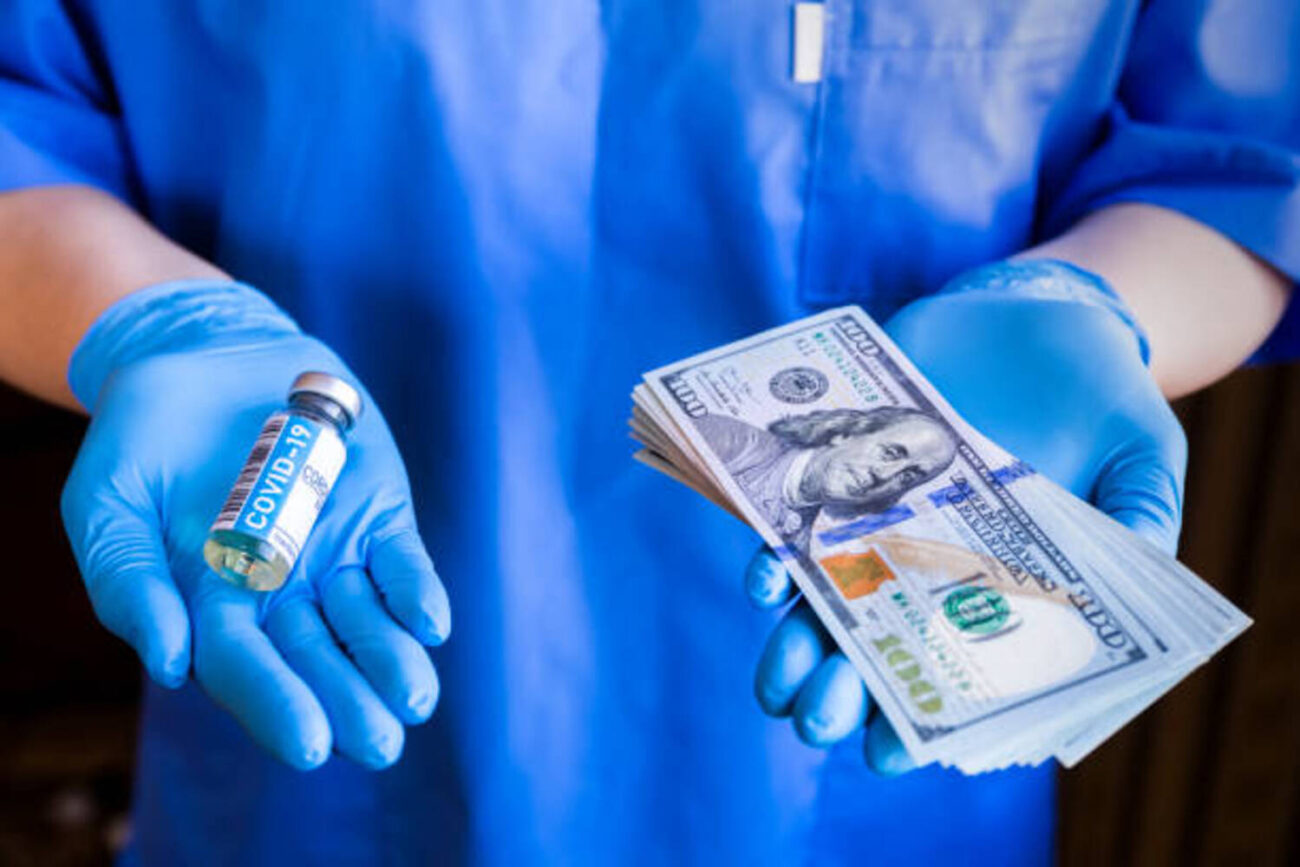
Introduction: The New Playbook for Pharmaceutical Promotion
Pharmaceutical sales promotion has undergone a fundamental shift. Traditional detailing, conference sponsorships, and print advertising still influence prescribing behavior, but digital transformation, regulatory scrutiny, and patient empowerment now shape the industry’s promotional toolkit. Today’s pharmaceutical companies must balance commercial objectives with clinical evidence, compliance frameworks, and real-world outcomes.
Pharmaceutical promotion remains a massive economic driver. U.S. drugmakers spent approximately $36.1 billion on promotion in 2004, representing 13.4% of total sales, before declining to $27.7 billion by 2010, or about 9% of sales, according to a longitudinal analysis of industry data. Promotion toward healthcare providers and direct-to-consumer (DTC) advertising both saw significant changes during that period, reflecting regulatory pressures and evolving market dynamics.
Source: https://pmc.ncbi.nlm.nih.gov/articles/PMC3587616/
Despite fluctuations, promotional spending remains a core strategic lever. Research indicates that pharmaceutical marketing often surpasses R&D spending in certain periods, underscoring its role in driving adoption and brand differentiation.
Source: https://pharmaceutical-journal.com/article/opinion/questionable-marketing-tactics-are-a-major-problem-with-pharma
However, modern promotional strategies must operate under stringent regulatory oversight. Agencies such as the U.S. Food and Drug Administration (FDA), European Medicines Agency (EMA), and country-specific codes like India’s Uniform Code of Pharmaceutical Marketing Practices (UCPMP 2024) enforce transparency, scientific accuracy, and ethical engagement.
Source: https://pharmuni.com/glossary/marketing-strategies-pharma-industry/
Source: https://en.wikipedia.org/wiki/Uniform_Code_of_Pharmaceutical_Marketing_Practices_2024
This article examines evidence-based pharmaceutical sales promotion ideas that align with regulatory frameworks and measurable commercial outcomes.
The Regulatory and Ethical Context Shaping Pharma Promotion
Compliance as a Strategic Imperative
Pharmaceutical promotion operates within one of the most heavily regulated marketing environments globally. Regulatory bodies require that promotional messaging:
- Aligns with approved indications
- Presents balanced risk-benefit information
- Avoids misleading claims
- Uses scientifically validated evidence
Violations can lead to warning letters, product suspensions, or financial penalties.
Source: https://pharmuni.com/glossary/marketing-strategies-pharma-industry/
The UCPMP 2024 mandates strict ethical standards, including:
- Prohibiting gifts and inducements to healthcare professionals
- Requiring disclosure of sponsorships for continuing medical education
- Limiting promotional materials to factual, validated information
- Holding companies accountable for sales representative conduct
Source: https://en.wikipedia.org/wiki/Uniform_Code_of_Pharmaceutical_Marketing_Practices_2024
Global regulatory scrutiny continues to intensify. Governments increasingly monitor DTC advertising and influencer-driven promotion, emphasizing accurate safety disclosures and transparency.
Lessons from Historical Marketing Failures
Historical case studies illustrate the consequences of aggressive promotion without evidence safeguards. Purdue Pharma’s marketing of OxyContin emphasized low addiction risk, which later drew widespread criticism and legal consequences. Prescriptions rose from 670,000 in 1997 to 6.2 million in 2002, demonstrating promotion’s power to drive utilization—and its risks when evidence lacks balance.
Source: https://en.wikipedia.org/wiki/Purdue_Pharma
The lesson for modern marketers remains clear: compliance, clinical transparency, and patient safety form the foundation of sustainable promotion.
Evidence-Based Sales Promotion Strategies
1. Advanced Healthcare Professional (HCP) Engagement
Why HCP Promotion Still Drives Prescriptions
Healthcare professionals remain the primary decision-makers for prescription therapies. Sales representatives, medical education initiatives, and peer-to-peer engagement continue to influence prescribing patterns.
Research identifies common HCP promotional tactics:
- Sales representative detailing
- Sponsored medical education
- Free samples
- Peer-to-peer physician communication
- Publication-driven evidence dissemination
Source: https://pharmaceutical-journal.com/article/opinion/questionable-marketing-tactics-are-a-major-problem-with-pharma
High-Impact Promotion Ideas
Data-Driven Detailing
- Deploy predictive analytics to identify high-value prescribers
- Customize messaging based on specialty, prescribing trends, and patient demographics
- Use AI-powered CRM systems to track engagement performance
Evidence suggests digital transformation enables targeted messaging while reducing marketing costs and improving effectiveness.
Source: https://www.researchgate.net/publication/377764355_Marketing_strategies_in_the_pharmaceutical_industry
Virtual Detailing and Hybrid Outreach
- Combine in-person visits with video consultations and webinars
- Provide on-demand scientific resources
- Integrate real-time analytics to track engagement and optimize outreach
Digital detailing gained momentum during the pandemic and continues to drive adoption due to scalability and cost efficiency.
Key Opinion Leader (KOL) Programs
- Host peer-reviewed educational seminars
- Collaborate with guideline-authoring specialists
- Publish clinical case studies and outcomes research
KOL engagement enhances credibility and strengthens brand authority within specialist communities.
2. Value-Based Selling and Health Economics Messaging
Healthcare systems increasingly emphasize value-based care models, shifting promotion toward clinical outcomes and cost effectiveness.
Strategic Components
- Present pharmacoeconomic data demonstrating cost savings
- Highlight reductions in hospitalization or disease progression
- Use quality-adjusted life year (QALY) modeling
- Develop outcomes-based reimbursement partnerships
Evidence-driven value communication improves formulary access and payer trust.
Source: https://www.pharmafocuseurope.com/articles/pharmaceutical-marketing-strategies-in-sales
Promotion Idea: Real-World Evidence Campaigns
Real-world evidence (RWE) demonstrates product performance outside clinical trials. Pharma companies increasingly use patient registries, electronic health records, and observational studies to:
- Support label expansion
- Strengthen reimbursement negotiations
- Improve prescriber confidence
3. Patient-Centric Promotion and Support Programs
Why Patient Engagement Matters
Patient adherence remains one of healthcare’s largest challenges. Studies estimate that non-adherence costs global healthcare systems billions annually through avoidable complications and hospitalizations.
Modern patient-centric promotion focuses on:
- Behavioral science-driven adherence programs
- Medication reminder apps
- Nurse educator support
- Financial assistance programs
- Lifestyle coaching and mental health resources
Source: https://www.pharmanow.live/marketing/pharma-marketing-strategies
Promotion Idea: Integrated Patient Ecosystems
Pharmaceutical brands increasingly create digital patient platforms that combine:
- Telehealth access
- Treatment education
- Community support
- Data tracking tools
These programs improve treatment persistence while strengthening brand loyalty.
4. Omnichannel and Digital Marketing Acceleration
Digital transformation now underpins pharmaceutical promotion. Omnichannel marketing coordinates messaging across:
- Email campaigns
- SMS and messaging platforms
- Medical webinars
- Social media channels
- In-person sales interactions
Companies increasingly rely on AI-driven analytics to identify prescription patterns and personalize outreach.
Source: https://www.pharmanow.live/marketing/direct-to-pharmacy-sales-pharma-marketing
Promotion Idea: Predictive Personalization
Machine learning algorithms enable marketers to predict physician response to promotional incentives and tailor content accordingly. Personalized promotion improves engagement and long-term brand retention.
5. Direct-to-Consumer (DTC) Promotion
Market Dynamics
DTC advertising remains legal in only two major markets: the United States and New Zealand. In the U.S., pharmaceutical DTC advertising spending surpassed $8 billion in 2024, demonstrating its scale and influence.
Source: https://blog.pulsehealth.tech/the-pulse-guide-to-pharma-marketing/
DTC campaigns can:
- Increase patient awareness
- Encourage treatment discussions with physicians
- Accelerate therapy adoption
However, DTC promotion faces intense regulatory scrutiny and must present balanced safety information.
Promotion Idea: Educational DTC Campaigns
Successful campaigns often focus on disease awareness rather than direct product promotion. For example:
- Public health campaigns explaining symptoms and treatment options
- Educational video content featuring medical experts
- Interactive patient self-assessment tools
6. Direct-to-Pharmacy and Direct-to-Patient Distribution Models
Pharmaceutical companies increasingly bypass traditional distribution intermediaries through direct sales channels.
Recent industry trends show:
- Approximately 30% of weekly U.S. prescriptions for some GLP-1 therapies now originate from direct channels
- Direct sales can reduce patient costs and increase therapy accessibility
Source: industry reporting summarized in recent market analyses
Promotion Idea: Digital Pharmacy Engagement Platforms
- Provide pharmacy staff training apps
- Offer automated drug update alerts
- Deliver inventory analytics tools
- Integrate patient counseling support
Direct pharmacy marketing strengthens supply chain partnerships and patient access.
7. Medical Education and Scientific Communication
Educational promotion remains one of the most trusted channels in pharmaceutical sales.
Promotion Formats
- Continuing medical education programs
- Clinical trial workshops
- Peer-reviewed journal advertising
- Conference symposia
Transparency in educational sponsorships remains essential under regulatory frameworks such as UCPMP 2024.
Source: https://en.wikipedia.org/wiki/Uniform_Code_of_Pharmaceutical_Marketing_Practices_2024
Promotion Idea: Digital CME Ecosystems
Pharmaceutical companies increasingly develop accredited online CME platforms offering:
- Interactive case-based learning
- Real-time clinical data updates
- Peer discussion forums
8. Evidence-Driven Content Marketing
Content marketing in pharmaceutical promotion must combine storytelling with clinical credibility.
Effective content includes:
- Patient success stories supported by clinical evidence
- Infographics explaining disease mechanisms
- Video demonstrations of treatment outcomes
Source: https://www.pharma-mkting.com/featured/pharmaceutical-marketing-strategies-how-to-effectively-promote-your-brand/
Evidence-supported storytelling humanizes pharmaceutical brands and strengthens emotional engagement while maintaining scientific integrity.
9. Ethical Influencer and Social Media Marketing
Healthcare influencer marketing represents an emerging promotional channel, especially for awareness campaigns. However, regulators increasingly monitor influencer partnerships to ensure:
- Disclosure of sponsorship relationships
- Balanced safety communication
- Compliance with approved labeling
Companies must implement medical-legal review workflows for social media content to mitigate compliance risks.
Leveraging Artificial Intelligence and Advanced Analytics
AI-Powered Promotion Optimization
Artificial intelligence supports pharmaceutical promotion through:
- Predictive prescribing analytics
- Personalized HCP content delivery
- Automated compliance monitoring
- Sales performance forecasting
AI models also help optimize marketing ROI by analyzing engagement outcomes and reallocating promotional budgets.
Promotion ROI Measurement
Data mining and marketing mix modeling help companies evaluate:
- Channel effectiveness
- Prescribing behavior changes
- Long-term brand retention
Source: https://arxiv.org/abs/1403.7971
Risk Management and Compliance Infrastructure
Successful pharmaceutical promotion requires robust governance frameworks.
Best-Practice Compliance Strategies
- Establish internal promotional review committees
- Conduct ongoing regulatory training for sales teams
- Implement digital compliance management software
- Perform field audits and monitoring programs
Source: https://www.p360.com/newsroom/compliant-pharma-marketing/
Training programs also reduce unethical sales behaviors and improve adherence to regulatory standards.
Source: https://journals.lww.com/jehp/fulltext/2022/11000/marketing_training_strategies_that_pharmaceutical.194.aspx
Emerging Promotion Trends Reshaping the Industry
Patient Empowerment and Shared Decision-Making
Patients increasingly influence treatment selection through digital research, support groups, and telehealth consultations.
Telehealth-Integrated Promotion
Telehealth partnerships enable pharmaceutical companies to:
- Provide virtual consultation support
- Streamline prescription initiation
- Deliver digital adherence monitoring
Companion Digital Therapeutics
Companies increasingly pair medications with digital health tools to improve outcomes and strengthen brand differentiation.
Strategic Framework for Modern Pharmaceutical Promotion
Core Principles
Successful promotion strategies share common characteristics:
- Evidence-based messaging
- Regulatory compliance integration
- Omnichannel engagement design
- Patient-centric value creation
- Data-driven personalization
Execution Model
Pharmaceutical organizations increasingly adopt agile marketing frameworks that:
- Enable rapid content deployment
- Incorporate real-time performance analytics
- Support cross-functional collaboration
Conclusion: Building Sustainable Promotional Excellence
Pharmaceutical sales promotion now operates at the intersection of science, technology, and regulatory oversight. The industry has moved beyond traditional detailing toward a multi-stakeholder engagement model that includes physicians, patients, payers, and pharmacy networks.
Evidence demonstrates that successful promotional strategies:
- Prioritize clinical outcomes and real-world data
- Use digital analytics to personalize engagement
- Maintain transparency and ethical integrity
- Integrate patient support ecosystems
- Leverage omnichannel communication platforms
As healthcare systems shift toward value-based care and digital delivery models, pharmaceutical promotion will continue evolving toward evidence-driven, patient-centered strategies. Companies that align commercial goals with clinical outcomes and regulatory compliance will gain competitive advantage and long-term market credibility.
References
- Promotion of Prescription Drugs to Consumers and Providers, 2001–2010
https://pmc.ncbi.nlm.nih.gov/articles/PMC3587616/ - Questionable Marketing Tactics Are a Major Problem With Pharma
https://pharmaceutical-journal.com/article/opinion/questionable-marketing-tactics-are-a-major-problem-with-pharma - Pharma Marketing Strategies Glossary
https://pharmuni.com/glossary/marketing-strategies-pharma-industry/ - Uniform Code of Pharmaceutical Marketing Practices 2024
https://en.wikipedia.org/wiki/Uniform_Code_of_Pharmaceutical_Marketing_Practices_2024 - Pharmaceutical Marketing Strategies in Sales
https://www.pharmafocuseurope.com/articles/pharmaceutical-marketing-strategies-in-sales - Pharma Marketing Strategies for 2026
https://www.pharmanow.live/marketing/pharma-marketing-strategies - Direct-to-Pharmacy Sales Marketing
https://www.pharmanow.live/marketing/direct-to-pharmacy-sales-pharma-marketing - Pulse Guide to Pharma Marketing
https://blog.pulsehealth.tech/the-pulse-guide-to-pharma-marketing/ - Compliant Pharma Marketing Framework
https://www.p360.com/newsroom/compliant-pharma-marketing/ - Marketing Strategies in the Pharmaceutical Industry
https://www.researchgate.net/publication/377764355_Marketing_strategies_in_the_pharmaceutical_industry - Pharmaceutical Marketing Training Ethics Study
https://journals.lww.com/jehp/fulltext/2022/11000/marketing_training_strategies_that_pharmaceutical.194.aspx - Optimization of Marketing Mix in Healthcare
https://arxiv.org/abs/1403.7971
