
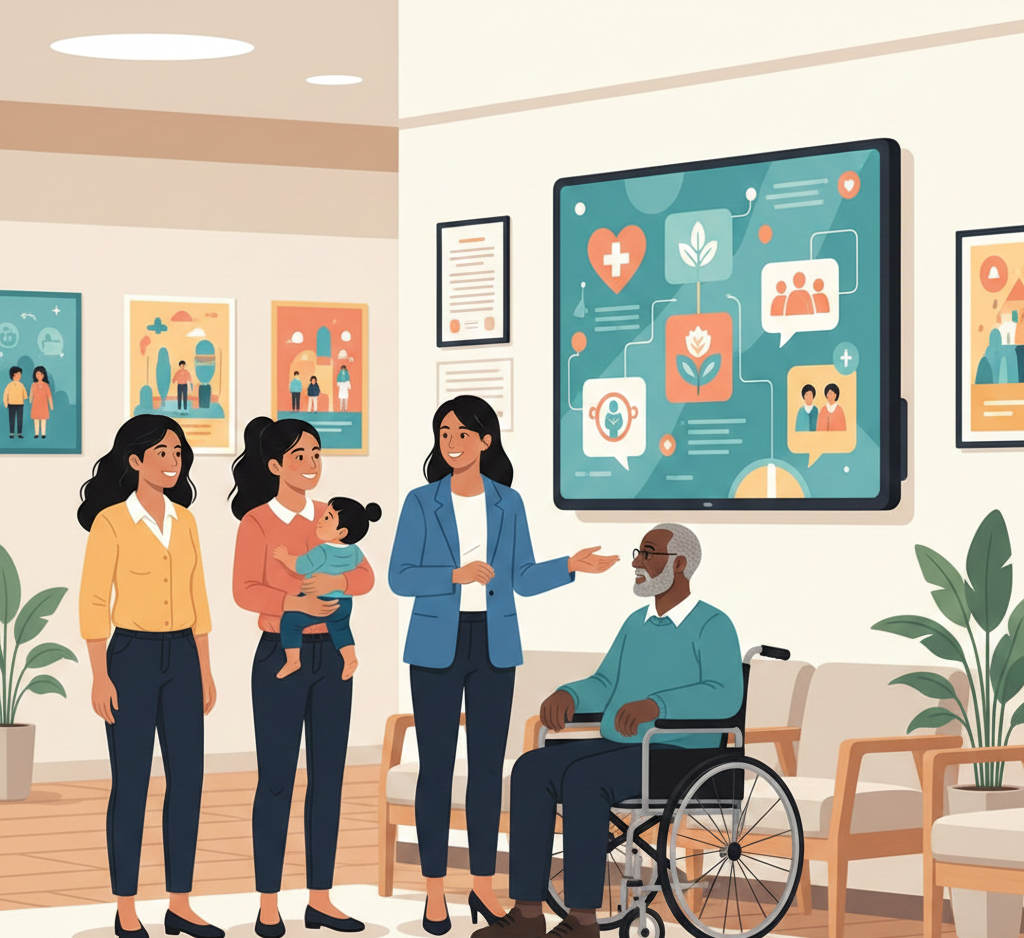
The Industry’s Shift From Product-Centric Marketing to Experience-Led Strategy
Pharmaceutical companies face unprecedented pressure to demonstrate clinical value, regulatory transparency, and patient-centered outcomes simultaneously. Traditional drug promotion models—built around prescriber outreach and product messaging—no longer satisfy the demands of modern healthcare ecosystems. Regulators require evidence-based communication. Patients expect seamless digital experiences. Providers want scientific clarity paired with logistical support.
Customer journey mapping has emerged as a critical framework for aligning these demands. It provides pharmaceutical organizations with a structured view of how patients, healthcare professionals (HCPs), caregivers, payers, and institutional stakeholders interact with therapies across the care continuum. The approach enables companies to design compliant, data-driven, and emotionally informed engagement strategies.
Industry adoption continues to accelerate. Approximately 64% of pharmaceutical brands have implemented customer journey mapping initiatives to improve engagement outcomes, signaling the framework’s transformation from experimental marketing concept to operational standard.
The implications extend far beyond marketing efficiency. Journey mapping increasingly influences treatment adherence, clinical education delivery, brand differentiation, and post-launch performance. This article examines how pharmaceutical organizations deploy journey mapping, the regulatory guardrails shaping its execution, and the data infrastructure enabling next-generation personalization.
Defining Customer Journey Mapping in the Pharmaceutical Context
Customer journey mapping visualizes the full sequence of interactions between a stakeholder and a brand, from initial disease awareness through therapy adoption and long-term adherence. Unlike linear sales funnels, journey maps capture behavioral, emotional, and logistical dynamics.
Marketing theory describes the customer journey as the process individuals follow when forming a commercial relationship with an organization. Visual journey maps track touchpoints, motivations, and challenges to identify opportunities for improved engagement and reduced friction.
Within pharmaceutical ecosystems, journey mapping extends to multiple stakeholders:
- Patients navigating diagnosis and treatment
- Physicians evaluating therapies and clinical evidence
- Caregivers coordinating support services
- Payers managing reimbursement pathways
- Pharmacists facilitating therapy fulfillment
Healthcare journey mapping differs from consumer retail mapping due to clinical complexity and regulatory oversight. Pharmaceutical journey models integrate both practical treatment milestones and emotional patient experiences, including anxiety, uncertainty, and therapy confidence.
Experts emphasize that journey mapping must reflect real-world behaviors rather than corporate assumptions. Interviews, behavioral surveys, and patient co-creation sessions frequently generate actionable insights.
The Strategic Importance of Journey Mapping in Pharma Commercial Performance
Enhancing Launch Success and Market Penetration
Drug launches increasingly depend on stakeholder experience rather than promotional volume. McKinsey research demonstrates that organizations focusing on holistic customer journeys achieve stronger revenue growth and customer satisfaction compared with those prioritizing isolated touchpoints.
Journey mapping enables companies to:
- Identify barriers in diagnosis, access, and therapy initiation
- Align educational resources with HCP decision timelines
- Optimize onboarding and patient support programs
- Detect engagement drop-off points before prescription adoption declines
A structured journey framework can reveal critical moments of influence. For example, clinical research in diabetes care indicates that the insulin brand administered during initial hospital diagnosis strongly influences long-term therapy selection.
Supporting Medication Adherence and Patient Outcomes
Non-adherence remains a costly healthcare challenge. By mapping treatment milestones and emotional drivers, pharmaceutical brands can design targeted adherence interventions.
Journey mapping supports adherence through:
- Stage-specific patient education
- Side-effect management messaging
- Personalized digital support programs
- Integration of patient monitoring technologies
Behavioral science applications have demonstrated measurable performance improvements. Data-driven journey mapping initiatives using real-world evidence and analytics have increased patient identification rates by 15-fold in certain therapeutic contexts, reducing diagnostic delays and improving therapy access.
The Unique Complexity of Healthcare Customer Journeys
Healthcare journeys differ from traditional consumer decision processes in several critical ways.
Multi-Stakeholder Decision Dynamics
Pharmaceutical purchasing decisions rarely involve a single consumer. Instead, treatment pathways incorporate coordinated decision-making among clinicians, patients, insurers, and institutional providers.
Typical pharmaceutical journey stages include:
- Disease awareness and symptom recognition
- Diagnosis and clinical evaluation
- Therapy research and comparison
- Prescription selection and reimbursement approval
- Treatment onboarding
- Ongoing monitoring and adherence support
- Advocacy and therapy loyalty
Journey mapping must capture interactions across both digital and physical touchpoints, including medical conferences, hospital interactions, telemedicine consultations, and patient support programs.
Non-Linear Treatment Decision Pathways
Healthcare decisions rarely follow predictable sequences. Research demonstrates that patient journeys often move through iterative decision loops influenced by clinical outcomes, emotional responses, and information sources.
Factors influencing journey variability include:
- Disease severity and symptom progression
- Access to healthcare infrastructure
- Cultural and demographic influences
- Insurance coverage and affordability
- Physician practice preferences
Journey mapping frameworks must therefore incorporate adaptive modeling rather than rigid funnel structures.
Regulatory Guardrails Shaping Pharma Journey Mapping
Pharmaceutical journey mapping operates under stringent regulatory oversight designed to protect patient safety and prevent misleading promotion.
Global Marketing Compliance Frameworks
Key regulatory structures influencing journey mapping include:
- PhRMA Code (United States) – Governs ethical interactions with healthcare professionals
- EFPIA Code of Practice (European Union) – Establishes promotional transparency requirements
- UCPMP 2024 (India) – Restricts promotional gifts, mandates accurate claims, and enforces ethical patient education standards
These frameworks influence journey mapping in several ways:
- Content must remain aligned with approved drug labeling
- Promotional messaging must include balanced risk-benefit disclosures
- Financial incentives for prescribing behavior remain prohibited
- Medical and commercial teams must maintain strict separation during scientific communication
Advertising and Patient Communication Regulation
Direct-to-consumer pharmaceutical advertising remains legal only in the United States and New Zealand, subject to strict disclosure requirements regarding side effects and contraindications.
Journey mapping must therefore adjust patient engagement strategies based on regional regulatory frameworks.
Role of Independent Advertising Oversight
Organizations such as Canada’s Pharmaceutical Advertising Advisory Board provide pre-clearance review services to ensure promotional materials comply with regulatory standards and health authority guidelines.
Incorporating regulatory review checkpoints directly into journey maps reduces compliance risks and accelerates approval cycles.
Data Infrastructure Driving Journey Mapping Accuracy
Modern pharmaceutical journey mapping depends on integrated data ecosystems combining behavioral, clinical, and operational insights.
Real-World Data and Analytics Integration
Journey mapping platforms typically incorporate:
- Claims data
- Electronic health records
- CRM engagement metrics
- Patient support program analytics
- Social listening and digital engagement data
Artificial intelligence increasingly enables real-time journey optimization. Machine learning algorithms analyze behavioral patterns across channels, allowing companies to personalize content sequencing and communication strategies dynamically.
Persona Development and Segmentation
Pharmaceutical brands create detailed stakeholder personas to contextualize journey insights. Persona modeling incorporates:
- Clinical expertise and prescribing behaviors for HCPs
- Disease severity and lifestyle considerations for patients
- Financial and access constraints for payers
- Emotional drivers affecting adherence
Persona-driven journey mapping enhances relevance and message resonance across engagement channels.
Field Force Integration and Operational Alignment
Customer journey mapping increasingly influences pharmaceutical field team operations.
Role Transformation of Sales Representatives
Mapped journey frameworks reposition representatives as clinical and logistical support coordinators rather than product promoters.
Effective journey-driven field strategies include:
- Stage-specific educational materials for HCPs
- Coordination with medical affairs teams for scientific inquiries
- Support program enrollment facilitation
- Reimbursement and access assistance
Commercial teams must restrict communications to approved labeling claims, while medical science liaisons handle scientific evidence discussions and off-label inquiries.
This segmentation protects regulatory compliance and improves information accuracy.
Omnichannel Engagement: Connecting Digital and Physical Experiences
Pharmaceutical stakeholders increasingly expect seamless engagement across digital and traditional channels.
Integrated Engagement Architecture
Journey mapping enables synchronized communication across:
- Physician detailing visits
- Virtual medical education events
- Patient mobile applications
- Call center support
- Pharmacy coordination
- Remote monitoring tools
Human-centered customer experience design emphasizes empathy mapping and co-creation with patients to identify emotional friction points and improve engagement quality.
Consistent omnichannel messaging strengthens stakeholder trust and reduces confusion during therapy adoption.
Measuring Journey Mapping Success: Key Performance Indicators
Pharmaceutical organizations use multiple metrics to evaluate journey mapping performance.
Commercial Metrics
- Prescription initiation rates
- Therapy persistence and adherence duration
- Market share growth within therapeutic classes
- Customer lifetime value
Clinical and Experience Metrics
- Patient-reported outcome measures
- Treatment discontinuation rates
- HCP satisfaction scores
- Support program enrollment rates
Journey mapping also identifies operational inefficiencies, enabling organizations to redesign service processes around patient-centric priorities rather than departmental silos.
Challenges Limiting Journey Mapping Effectiveness
Despite widespread adoption, pharmaceutical journey mapping initiatives encounter several operational barriers.
Data Fragmentation
Stakeholder data often remains siloed across clinical, commercial, and support platforms, limiting comprehensive journey visualization.
Cultural Resistance
Product-focused organizational cultures may resist experience-driven strategy transitions, particularly in companies with legacy sales models.
Regulatory Complexity
Content review requirements can delay deployment of journey-based communication strategies. Early integration of medical, legal, and regulatory stakeholders mitigates this risk.
Measurement Standardization
Organizations frequently struggle to correlate engagement metrics with clinical outcomes, complicating ROI demonstration.
Emerging Technologies Transforming Journey Mapping
Pharmaceutical journey mapping continues to evolve alongside digital health innovation.
Artificial Intelligence and Predictive Modeling
AI platforms analyze large-scale behavioral data to predict stakeholder needs and automate engagement sequencing. Reinforcement learning frameworks have demonstrated improved personalization and engagement performance in digital pharmaceutical ecosystems.
Natural Language Processing for Insight Generation
Machine learning analysis of unsolicited medical inquiries provides pharmaceutical companies with actionable insights into patient concerns and treatment barriers.
These insights enable more responsive and personalized journey interventions.
The Competitive Advantage of Experience-Led Pharma Strategy
Healthcare stakeholders increasingly evaluate pharmaceutical brands based on holistic treatment support rather than clinical efficacy alone. Human-centered customer experience design aligns clinical outcomes with emotional and logistical support, strengthening trust and brand differentiation.
Customer experience initiatives support pharmaceutical organizations by:
- Improving patient engagement and therapy adherence
- Strengthening HCP education and prescribing confidence
- Enhancing payer collaboration and reimbursement efficiency
- Increasing brand loyalty and advocacy
Industry leaders increasingly view journey mapping as a strategic infrastructure rather than a marketing tool.
The Future of Journey Mapping in Pharmaceutical Innovation
Customer journey mapping will likely expand across multiple dimensions:
Integration with Digital Therapeutics
Journey models will incorporate real-time patient monitoring and behavioral coaching tools to improve therapy outcomes.
Regulatory Co-Design Frameworks
Future journey mapping processes may integrate regulatory consultation during development stages to streamline approval timelines.
Cross-Stakeholder Ecosystem Modeling
Advanced mapping platforms will visualize interactions across healthcare systems, integrating provider, payer, and pharmaceutical workflows.
Conclusion: Journey Mapping as Pharma’s Next Competitive Battlefield
Pharmaceutical innovation increasingly depends on experience design as much as clinical discovery. Journey mapping offers a structured, data-driven framework for delivering personalized, compliant, and clinically effective engagement across healthcare ecosystems.
Organizations that invest in integrated journey mapping infrastructure gain measurable advantages in patient adherence, prescriber engagement, and brand loyalty. As regulatory complexity, digital transformation, and stakeholder expectations continue to expand, journey mapping will likely transition from competitive differentiator to industry standard.
Pharmaceutical companies that master this discipline will shape the future of patient-centered healthcare delivery.
References
- McKinsey – From Product to Customer Experience in Pharma
https://www.mckinsey.com/industries/life-sciences/our-insights/from-product-to-customer-experience-the-new-way-to-launch-in-pharma - McKinsey – Understanding Healthcare Decision Journeys
https://www.mckinsey.com/industries/life-sciences/our-insights/how-pharma-companies-can-better-understand-patients - Kanga Health – Customer Journey Mapping in Pharma
https://www.kangahealth.com/2025/05/customer-journey-insights-pharma-brand-strategy/ - SEI – Patient Experience Mapping Importance
https://www.sei.com/insights/article/put-your-customers-in-focus-with-patient-experience-mapping/ - Newristics – Patient Journey Mapping and Behavioral Science
https://newristics.com/how-patient-journey-mapping-can-transform-pharma-marketing.php - Pharma-Marketing Glossary – Customer Journey Definition
https://www.pharma-marketing.com/glossary/customer-journey/ - Wipro – Human-Centered CX Design in Pharma
https://www.wipro.com/pharmaceutical-and-life-sciences/articles/from-treatment-to-trust-why-patient-experience-is-pharmas-competitive-advantage/ - UCPMP 2024 Regulatory Framework
https://en.wikipedia.org/wiki/Uniform_Code_of_Pharmaceutical_Marketing_Practices_2024 - Direct-to-Consumer Advertising Regulations
https://en.wikipedia.org/wiki/Direct-to-consumer_advertising - Pharmaceutical Advertising Advisory Board
https://www.paab.ca/ - AI Applications in Pharma Journey Mapping
https://eularis.com/how-artificial-intelligence-improves-pharma-customer-journey-mapping/ - Pharma Customer Experience Adoption Statistics
https://wifitalents.com/customer-experience-in-the-pharma-industry-statistics/
