
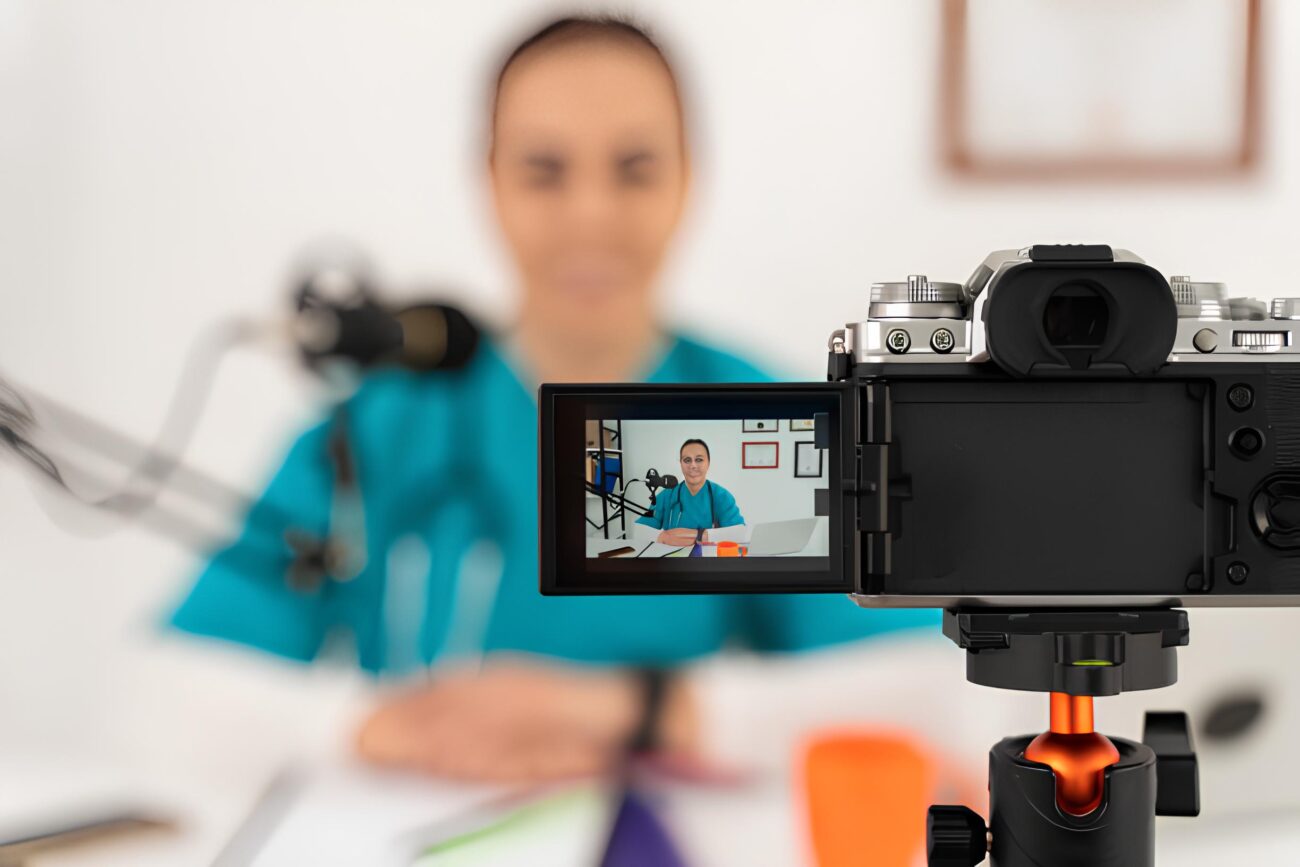
The pharmaceutical industry’s sales ecosystem has transformed in the wake of global healthcare disruption, accelerated digital adoption and shifting preferences among healthcare professionals (HCPs). Virtual sales calls are now a core channel for pharmaceutical field forces. Reps must adapt with data-driven practices, compliance safeguards, digital fluency and customer-centric engagement to succeed.
This article explores:
- Current state of virtual physician engagement
- Comparative effectiveness versus in-person calls
- Regulatory boundaries and compliance risks
- Tactical frameworks for virtual pharma sales
- Tools and training for performance optimization
- Metrics and KPIs to measure success
- Future trends in hybrid engagement
1. The Transformation of Pharma Selling
Before 2020, pharmaceutical sales depended heavily on in-person “detailing” — face-to-face conversations between reps and HCPs to share clinical data, efficacy profiles and prescribing support. Accenture’s research shows that 64% of interaction between sales reps and physicians was in person prior to the pandemic.
However, by mid-2020, 65% of these interactions had shifted to virtual formats such as video conferencing, phone calls and webinars. The COVID-19 pandemic effectively upended traditional access — offices restricted physical visits, accelerating digital engagement adoption.
Leading industry strategists now acknowledge that virtual channels are here to stay as a permanent component of pharma sales.
Physician Preferences and Hybrid Models
Early post-COVID polling revealed that 87% of HCPs wanted either all virtual or a mix of virtual and in-person interactions with pharma reps. More recent data reflects sustained preference for hybrid engagement models where digital communication coexists with selective in-person calls.
Physicians value virtual channels for convenience and time efficiency but still recognize in-person engagement as more effective for building trust and relational depth.
2. Virtual vs. In-Person: Assessing Effectiveness
Pharma teams often assume virtual sales calls are “equally good” replacements for traditional meetings. Real-world data shows a more nuanced picture.
Relative Impact on Outcomes
Industry analysis from Axtria found:
- Virtual calls are 60–80% as effective as in-person visits with HCPs who already have established relationships with the rep.
- For new-to-brand HCPs, virtual effectiveness drops to approximately 50–65% of in-person calls.
These disparities underline the ongoing value of physical presence for initial trust building and complex clinical conversations.
Product Lifecycle Matters
Effectiveness also varies by product maturity:
- For brand new or low-share products, virtual engagements often fail to drive early adoption as effectively as in-person interactions.
- For mature or well-known drugs, virtual follow-ups and reminders can be nearly as impactful (85–90% parity with in-person).
Engagement Quantity
The volume of interactions has also shifted: virtual scheduling can be harder to coordinate, leading to 30–50% fewer calls per rep compared to pre-COVID levels.
3. Regulatory and Compliance Context
Pharmaceutical sales operate in a highly regulated environment designed to prevent off-label promotion, ensure ethical conduct and preserve professional standards.
Key Guidelines Affecting Virtual Calls
U.S. Federal Law and FDA Enforcement
- The Food, Drug, and Cosmetic Act and related FDA regulations require all promotional communications — including virtual detailing — to be truthful, non-misleading and consistent with approved labeling. HCP engagements must not promote off-label use.
- The Prescription Drug Marketing Act (PDMA) and FDA guidance for digital promotion include virtual touchpoints. Misrepresentation or omissions during virtual calls can trigger enforcement actions and impact product labeling status.
Industry Codes of Practice
- PhRMA Code: The Pharmaceutical Research and Manufacturers of America mandates ethical interactions, including virtual exchanges; reps must not offer inducements or gifts tied to prescribing.
- Eucomed and EFPIA Standards (Europe): Similar principles regulate virtual engagements, stressing transparency and separation of education from promotion.
Recordkeeping and Archiving
Remote engagements require robust documentation to support audit trails. Digital tools, CRM logs, and screen recordings (where permitted) help ensure that virtual communication adheres to compliance requirements.
Sales leaders should enforce:
- Archiving of call summaries in CRM
- Standardized templates for digital follow-ups
- Clear disclosure of product indications and safety warnings
4. Best Practices for Virtual Sales Calls
4.1 Pre-Call Planning
The most effective virtual calls begin long before the meeting starts.
Pre-Call Data Preparation
- Analyze prescribing patterns, payer mix and formulary access via CRM analytics.
- Segment HCPs by engagement history (new vs. existing relationship).
- Tailor content to clinical priorities, not generic marketing messages.
Research Tools
- Use insights from sales analytics platforms to inform messaging.
- Prepare individualized data visuals or case studies.
Tip: Provide HCPs with relevant digital content before the call to increase engagement and reduce friction.
4.2 Technical Readiness
Virtual calls fail due to simple technical issues.
Checklist:
- Verify platform compatibility (Zoom, Teams, WebEx)
- Test screen-sharing and video quality
- Provide dial-in alternatives
- Have backup content (PDFs, links) ready
4.3 Agenda and Time Management
Virtual audiences expect brevity and structure.
- Start with a clear agenda delivered within the first 60 seconds.
- Aim for focused 15–20 minute sessions unless HCP requests longer.
- Set expectations on outcomes and next steps.
4.4 Value-Driven Content
HCPs cite not content frequency but relevance as decisive.
Data suggests that while communication frequency has increased since the pandemic, 57% of HCPs feel sales reps fail to grasp their actual priorities.
Best practice:
- Prioritize clinical evidence, patient outcomes and real-world use cases.
- Avoid promotional rhetoric; focus on scientific data.
- Address barriers to prescribing (e.g., formulary challenges).
4.5 Engagement Techniques
Virtual selling calls for active engagement beyond monologues.
Use:
- Poll questions (“What is your experience with X therapy?”)
- Interactive visuals
- Screen sharing of clinical data
- Follow-up surveys post-call
4.6 Follow-Up and Sequencing
Immediate, relevant follow-ups drive conversion.
- Send tailored content within 24 hours.
- Reference key points and requested information.
- Propose next steps with clear value (education, trial support).
4.7 Multi-Channel Coordination
Virtual calls often fit within broader omnichannel outreach:
- Emails with data summaries
- Text reminders for call scheduling
- Web content or educational modules linked to follow-up
Coordinated sequencing increases recall and impact.
5. Tools and Technologies That Enhance Virtual Selling
5.1 Customer Relationship Management (CRM)
Reps must update and retrieve HCP profiles, engagement history and notes from a central system. Integrated CRMs enable:
- Call summaries
- Follow-up action items
- Alerts for next contact
CRM adoption correlates strongly with productivity.
5.2 Analytics and AI
Advanced platforms can:
- Predict ideal touchpoints based on prescribing data
- Highlight content that resonates with specific HCP segments
- Provide AI-driven coaching
For example, AI simulation tools can boost rep readiness by giving virtual conversational practice across evaluation criteria, increasing preparedness for live calls.
5.3 Video Conferencing and Presentation Tools
- Use professional layouts and branded resources
- Embed polls and questions
- Share slides with clear clinical data
5.4 Compliance and Archiving Tools
- Store virtual interactions securely
- Save messaging templates with audit trails
- Ensure archiving and retrieval for regulatory review
6. Training and Skill Development
Virtual selling demands new competencies beyond traditional sales training.
Skills Reps Must Master
- Digital communication etiquette
- Online engagement psychology
- Visual storytelling with data
- Managing virtual interruptions and engagement fatigue
Effective Training Approaches
Companies must invest in:
- Role-play simulations with virtual scenarios
- Peer learning dashboards
- Workshops on digital presentation skills
Virtual training programs can be up to 90% as effective as in-person training when well structured.
7. Metrics, KPIs and Performance Measurement
To evaluate virtual sales success, focus on data that reflects both reach and impact.
Key Metrics
| Metric | Definition | Purpose |
|---|---|---|
| Engagement Rate | % of scheduled vs. completed calls | Measures scheduling efficiency |
| Content Interaction | Click/open rates for pre/post content | Shows content relevance |
| HCP Response | Follow-up action or prescription intent | Tracks behavioral change |
| Conversion | Prescribing change post-engagement | Ultimate measure of impact |
| Call Quality | Measured by CRM notes & follow-ups | Assesses depth of clinical dialogue |
Benchmarking
Compare virtual performance to in-person baselines to evaluate where hybrid approaches are most effective.
8. Operational Challenges and Pitfalls
Virtual selling has limitations:
- Reduced non-verbal cues can dilute rapport
- Screen fatigue and scheduling conflicts can hamper attention
- Regulatory compliance oversight requires diligence
Strategic countermeasures:
- Use video to maximize presence
- Keep messages concise
- Develop escalation paths for complex clinical queries
9. Regulatory Compliance Risks
Sales reps must be vigilant about:
- Off-label discussions
- Unverified claims
- Sharing unapproved materials digitally
- Archiving and documentation for audit trails
Compliance training must include virtual context scenarios to prepare reps for unexpected questions or ambiguous compliance lines.
10. The Future of Pharma Sales
Hybrid Engagement as a Norm
Physicians now expect blended engagement — virtual for efficiency and in-person for deeper strategic dialogues.
Data suggests that virtual channels will retain a significant share of interactions, particularly in follow-up and clinical update contexts.
Personalization and Predictive Analytics
Next-generation sales intelligence will automate segmentation and recommend contextually relevant content in real time.
AI-Enabled Coaching and Virtual Assistants
AI will play a role in training, conversation insights and real-time support during calls.
Conclusion
Virtual sales calls are not temporary substitutions for traditional detailing — they represent a fundamental evolution in pharma engagement models. To master remote selling, pharmaceutical reps must:
- Integrate data and analytics into call planning
- Prioritize relevance and scientific value in messaging
- Maintain strict compliance and documentation
- Leverage digital tools to scale impact
- Measure performance with robust KPIs
- Continually adapt through training and feedback
Sales success in the digital era demands a blend of clinical insight, technological fluency, compliance discipline and relationship finesse.
References
- Accenture: Shift to Virtual Engagement – Accenture HCP survey (PDF data) Accenture HCP survey findings (2023)
- Axtria Insights on Virtual vs. In-Person Effectiveness Virtual Versus In‑Person Calls: Sales Reps In The Digital World
- Digital Engagement Trends in Pharma Sales Digital Drives Customer‑Centric Sales Engagement (PharmExec)
- Hybrid Interaction Preferences of Physicians Hybrid Engagement is the New Normal (BCG)
- CRM and Virtual Pharma Experiences Building a force of virtual pharma sales reps (Henley)
- AI-Driven Sales Training Impact AI‑powered virtual training boosts sales effectiveness (ZS)
