
Primary Keyword: AI patient education pharma compliance
Patient Education Is Becoming the Most Regulated Content in Pharma

Pharmaceutical companies once treated patient education as a support function. That is no longer the case. Patient education now sits at the intersection of promotion, compliance, medical communication, and digital marketing. With AI now generating patient education materials, regulators are paying attention. The FDA is expected to release guidance on AI-generated promotional and educational content in 2026, and pharma companies are already preparing for tighter oversight.
If you work in pharma marketing, medical affairs, or content, you need to understand a critical reality. Patient education content can easily become promotional content in the eyes of regulators. When AI generates that content at scale, the compliance risk multiplies unless strong review systems exist.
AI patient education pharma compliance is becoming a major topic because companies are now using AI to produce:
- Disease awareness articles
- Treatment guides
- Medication adherence content
- Patient support program materials
- Chatbot responses
- Website education pages
- Video scripts
- सोशल media educational posts
The scale of content production is increasing, and so is regulatory attention.
The Compliance Risk With AI-Generated Patient Content
The main compliance risk with AI-generated patient education content is not incorrect grammar or tone. The risk is regulatory classification. Regulators may classify patient education as promotional material if it:
- Mentions a specific drug
- Suggests a treatment
- Compares treatments
- Uses efficacy claims
- Minimizes risk information
- Encourages patients to ask for a specific drug
- Uses branded visuals with educational content
AI can unintentionally generate promotional language even when asked to write educational content. Words like “effective,” “safe,” “best option,” or “recommended” can trigger compliance concerns if not supported by approved label language.
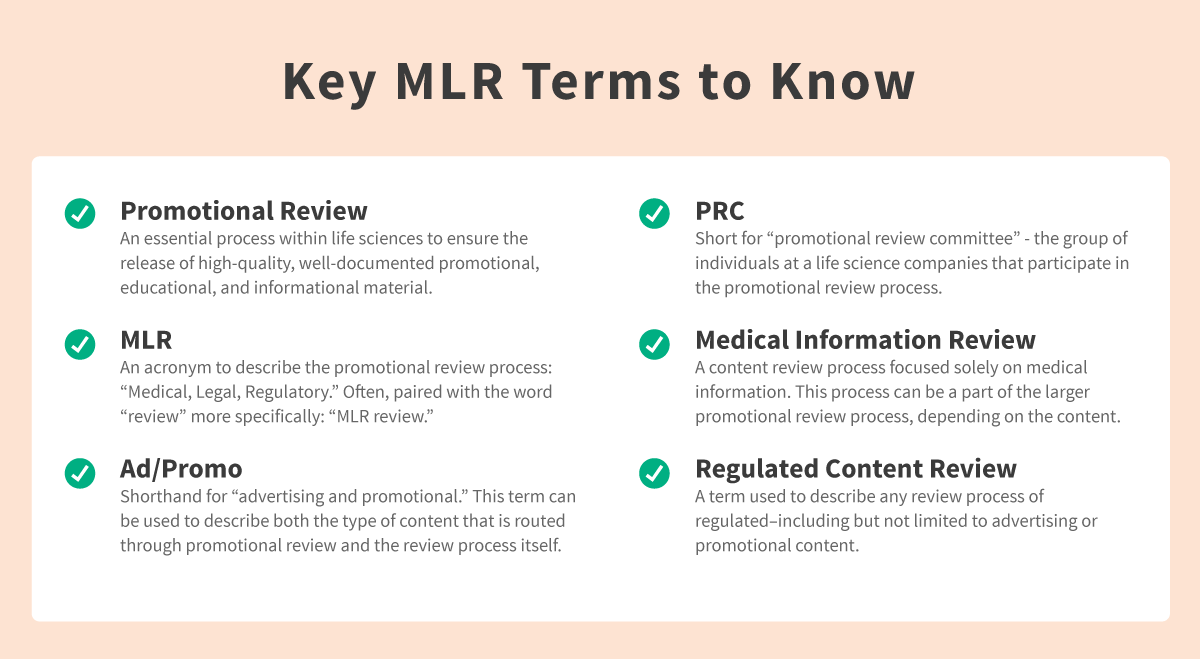
This is why AI-generated patient content must go through Medical Legal Regulatory review just like promotional content.
What Regulators Care About in Patient Education Content
Regulators focus on specific issues when reviewing patient education materials. AI-generated content must follow the same rules as human-written content.
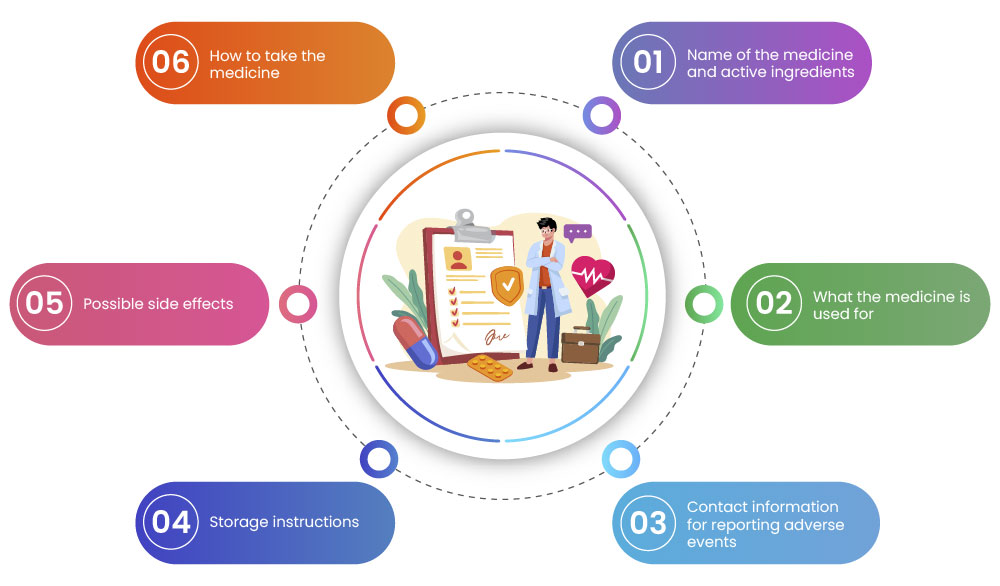
Key compliance areas include:
Accuracy
Information must match approved medical and clinical data.
Balance
If benefits are mentioned, risks must also be mentioned.
Non-promotional tone
Educational content should not read like an advertisement.
Consistency with label
No off-label information or unapproved claims.
Clear language
Content must be understandable for patients with low medical literacy.
No misleading comparisons
AI must not generate superiority claims unless supported by approved data.
AI systems must be trained using approved content sources, label documents, and medical references to ensure compliance.
Where AI Is Already Being Used in Patient Education
Pharma companies are already using AI to generate and manage patient education content in several areas.
These include:
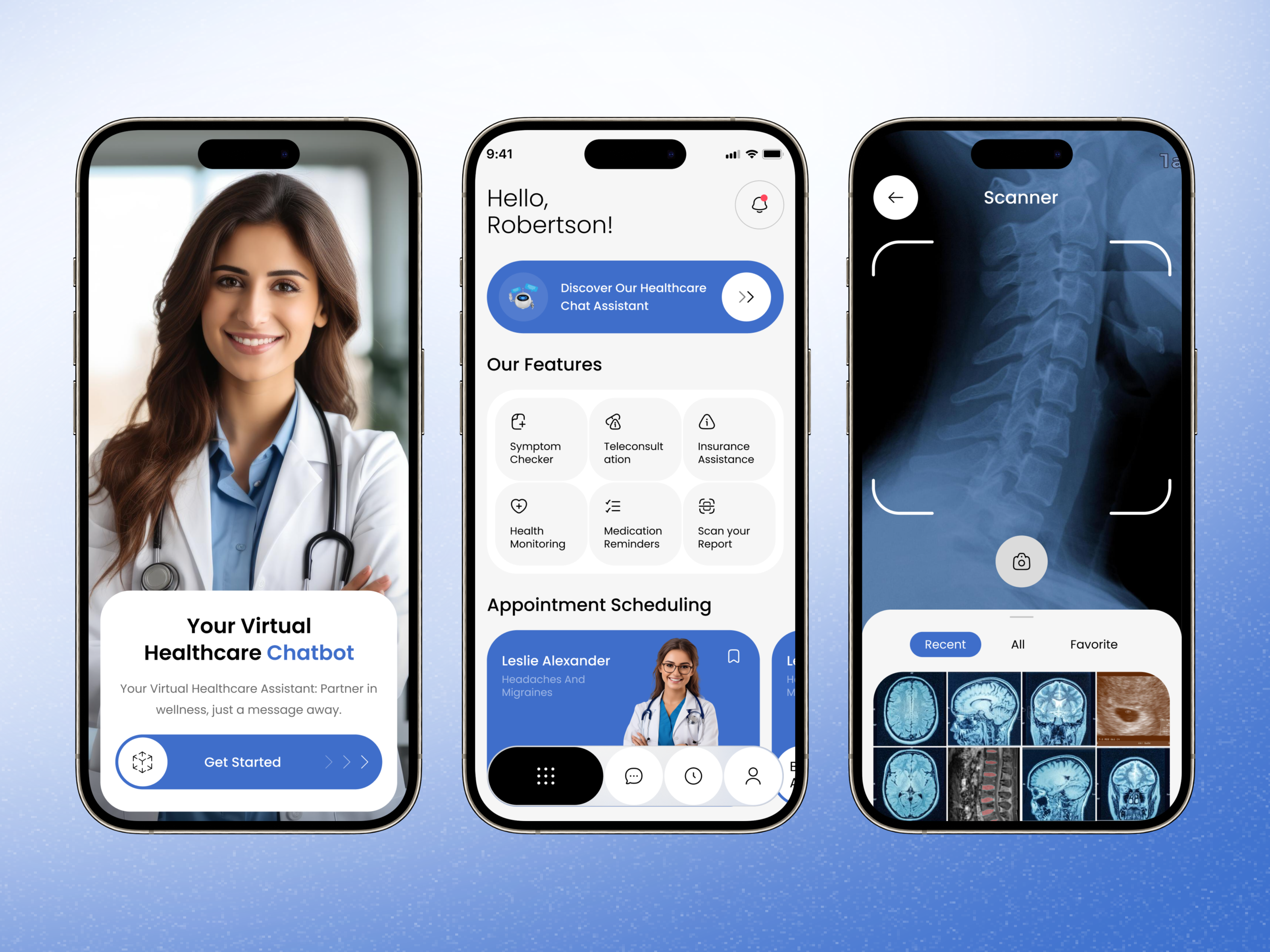
- Patient support program chatbots
- Personalized patient email education
- Medication reminders and adherence content
- Disease awareness article generation
- FAQ content for websites
- Call center response scripts
- Video education script drafts
- Social media educational posts
- Symptom checker educational content
AI allows companies to personalize education content based on patient profiles, disease stage, age group, and treatment journey. This improves patient engagement but increases compliance complexity because personalized content still counts as regulated communication.
The MLR Review Process for AI-Generated Patient Content


AI-generated patient education content must go through the same Medical Legal Regulatory review process as other pharma materials.
However, companies are now building AI review systems that check content before MLR submission. These systems can:
- Compare content with approved label language
- Detect promotional claims
- Identify missing safety information
- Flag off-label discussions
- Check readability level
- Ensure risk information appears with benefit information
- Verify medical references
This reduces review time and ensures AI-generated content enters MLR review in a more compliant state.
Best Practices for AI Patient Education Pharma Compliance
Pharma companies that are successfully using AI for patient education follow structured compliance frameworks.
Use only approved sources
Train AI on label documents, approved claims, medical references, and previously approved content.
Human review is mandatory
AI should generate drafts, not final approved materials.
Create standard prompts
Use controlled prompts that instruct AI to avoid promotional language and include risk information.
Maintain audit trails
Document how AI generated the content, what sources were used, and who approved the final version.
Use readability controls
Patient content should typically be written at a 6th to 8th grade reading level.
Separate branded and unbranded content
Disease awareness content and branded drug content must follow different compliance rules.
Regularly retrain AI systems
Update AI systems when label changes, new clinical data emerges, or regulations change.
The Future: Personalized Patient Education at Scale
The biggest advantage of AI is personalization. AI can generate education materials tailored to:
- Newly diagnosed patients
- Patients starting treatment
- Patients experiencing side effects
- Elderly patients
- Caregivers
- Patients who missed doses
- Patients switching therapies
Each of these patient groups needs different educational content. AI makes this scalable, but each variation must remain compliant.
This is why the future of AI patient education pharma compliance will depend on integration between:
- Generative AI systems
- MLR review systems
- Approved content databases
- Patient support platforms
- Compliance monitoring systems
Companies are moving toward closed AI systems that generate content only from approved medical content libraries.
A Strategic Reality Pharma Companies Must Accept
AI will not reduce the importance of compliance in patient education. It will increase it. The companies that succeed will not be the ones that generate the most content. They will be the ones that build compliant AI content systems.
Patient education influences treatment decisions, adherence, and patient trust. Regulators know this. That is why AI-generated patient education will receive more regulatory scrutiny over the next few years.
If you work in pharma content, marketing, or medical affairs, the skill that will become valuable is not just content writing. It is understanding how to create AI-generated content that passes Medical Legal Regulatory review.
Because in the next phase of pharma digital communication, content will be generated by AI, but compliance responsibility will still belong to humans.
References
FDA Guidance on Drug Promotion and Patient Education Materials
https://www.fda.gov/drugs/drug-marketing-advertising-and-communications
Deloitte: AI in Medical Content and Patient Engagement
https://www2.deloitte.com/us/en/insights/industry/life-sciences/ai-patient-engagement.html
McKinsey: Generative AI in Life Sciences Content Creation
https://www.mckinsey.com/industries/life-sciences/our-insights/generative-ai-in-life-sciences
Accenture Life Sciences: AI and Personalized Patient Engagement
https://www.accenture.com/us-en/insights/life-sciences/ai-patient-engagement
IQVIA Institute: Digital Health and Patient Support Programs
https://www.iqvia.com/insights/the-iqvia-institute/reports/digital-health-and-patient-support-programs
