
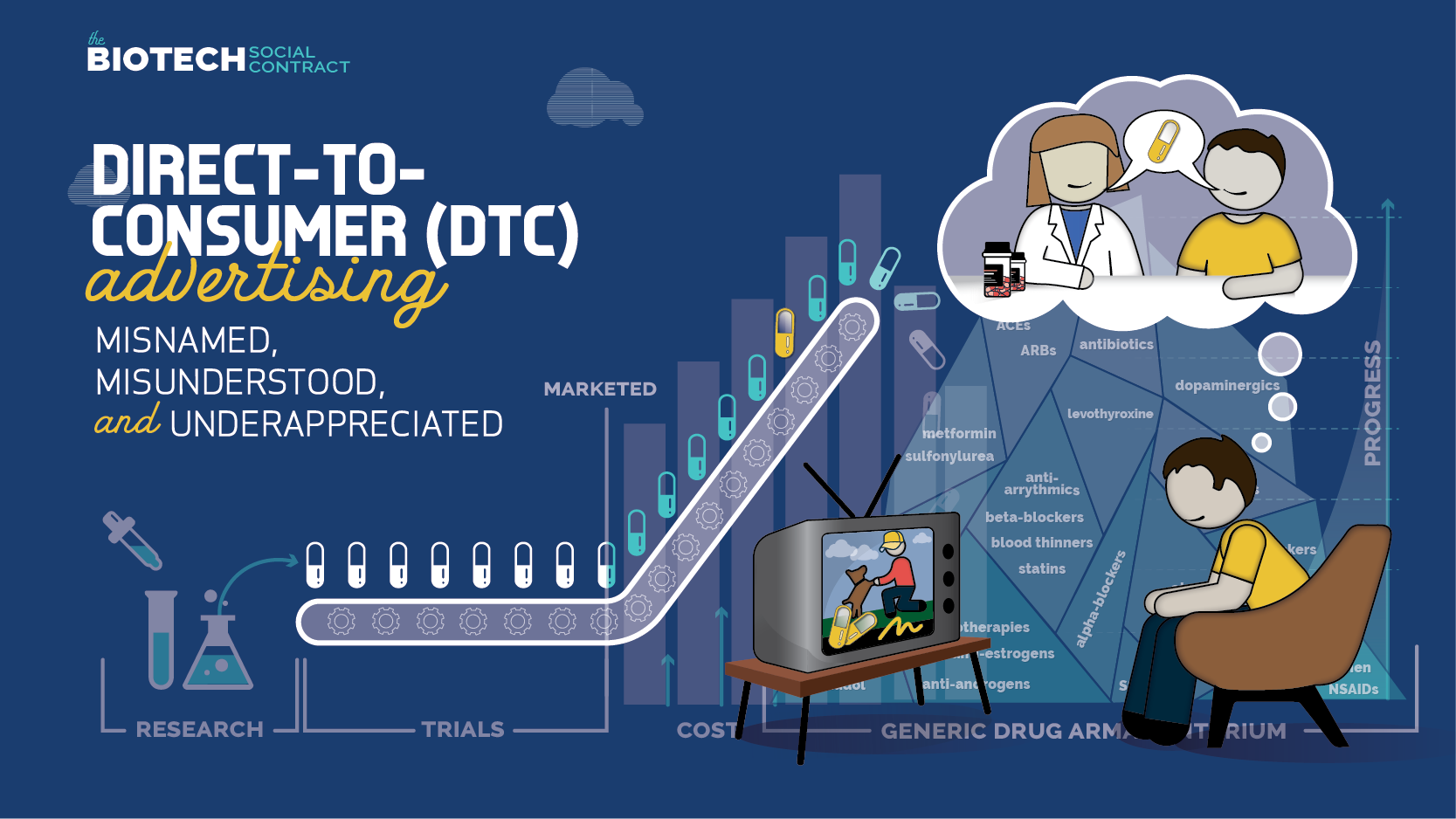
In most industries, marketing influences preference. In the United States pharmaceutical industry, marketing influences diagnosis, treatment demand, prescribing behavior, insurance coverage discussions, and even how diseases are perceived by the public. That is not advertising in the traditional sense. That is market shaping.
If you want to understand how pharmaceutical marketing works in the United States, you must stop thinking like a consumer marketer. You are not selling a product directly to the person who pays for it. You are influencing a system where the patient asks, the doctor prescribes, the insurer approves, and the regulator monitors every word you say. Marketing in this environment becomes less about persuasion and more about influence across an entire healthcare ecosystem.
The United States runs the most powerful pharmaceutical marketing engine in the world, and one regulatory decision in the late 1990s explains why.
The Regulatory Decision That Changed Pharmaceutical Marketing Forever
In 1997, the U.S. Food and Drug Administration clarified rules that allowed pharmaceutical companies to advertise prescription drugs directly to consumers on television, as long as companies included risk information and directed viewers to sources for full prescribing information. That decision transformed pharmaceutical marketing from physician-only promotion into a full-scale consumer marketing industry.
The United States and New Zealand remain the only two countries that allow direct-to-consumer prescription drug advertising on television. This regulatory environment created a marketing ecosystem that does not exist anywhere else in the world.
Since that policy change, pharmaceutical advertising spending has grown into a multi-billion-dollar industry. Television advertising alone accounts for billions of dollars each year, and digital advertising now represents a growing share of total spending. The purpose of this spending is not just brand awareness. The purpose is demand generation.
When patients see an advertisement and ask their doctor about a drug, the conversation changes. The patient is no longer passive. The patient becomes a demand driver.
The Size of the Pharmaceutical Marketing Machine

To understand the scale of pharmaceutical marketing in the United States, you need to look at the numbers.
The U.S. pharmaceutical market exceeds hundreds of billions of dollars annually, making it the largest drug market in the world. Pharmaceutical companies spend tens of billions of dollars each year on marketing activities across television, digital platforms, physician marketing, conferences, patient programs, and payer engagement.
Research has shown that direct-to-consumer advertising leads to increased doctor visits and increased prescription requests. In FDA surveys, a significant percentage of patients reported visiting a doctor after seeing a drug advertisement, and many asked specifically about the advertised drug.
From a commercial perspective, pharmaceutical marketing does not just promote a product. It expands the market by increasing diagnosis and treatment rates. That is why companies invest so heavily in disease awareness campaigns, patient education, and advertising.
Marketing creates demand. Insurance determines access. Physicians determine prescribing. Pricing determines profitability. Pharmaceutical marketing must influence all four.
The Three Pillars of Pharmaceutical Marketing in the United States
To understand how influence works in pharmaceutical marketing, you need to understand the three major marketing channels companies use.
1. Direct-to-Consumer Advertising

Direct-to-consumer advertising includes television commercials, digital ads, search engine marketing, social media campaigns, and disease awareness campaigns. These campaigns do not always promote a specific drug. Many promote disease awareness so that more patients seek diagnosis and treatment.
Direct-to-consumer advertising increases:
- Disease awareness
- Doctor visits
- Patient diagnosis
- Prescription requests
- Brand recognition
When a patient asks a doctor about a drug by name, the prescribing conversation changes. Doctors still rely on clinical judgment, but patient demand influences which drugs are discussed and considered.
This is why direct-to-consumer advertising functions as demand generation, not just brand promotion.
2. Physician Marketing
Physician marketing remains one of the most important parts of pharmaceutical commercialization. This includes:
- Sales representatives visiting doctors
- Sponsored medical education programs
- Conferences and congress presentations
- Clinical trial data presentations
- Free samples
- Speaker programs
- Medical journal advertising
Physicians make prescribing decisions based on clinical evidence, safety profile, treatment guidelines, and patient affordability. Pharmaceutical marketing aimed at physicians focuses heavily on clinical data and comparative evidence.
Governments regulate financial relationships between pharmaceutical companies and physicians. The Physician Payments Sunshine Act requires companies to disclose payments made to physicians for consulting, speaking, research, and travel. This transparency law changed how companies structure physician engagement programs.
Physician marketing still matters, but it no longer operates alone. It operates alongside patient demand and insurance coverage decisions.
3. Payer and Market Access Marketing

In many therapeutic areas, insurance coverage determines whether a drug succeeds commercially. Pharmaceutical companies negotiate with insurers and pharmacy benefit managers to secure formulary placement.
Formulary placement determines:
- Whether the drug is covered
- Patient copay level
- Whether prior authorization is required
- Whether step therapy is required
- Whether doctors can prescribe easily
If a drug receives preferred formulary placement, prescriptions increase. If a drug faces restrictions, prescriptions decrease. This means market access strategy often matters more than advertising.
This is why pharmaceutical marketing teams work closely with market access teams to develop pricing strategy, reimbursement strategy, and value communication.
Case Study: The GLP-1 Drug Market
One of the most visible examples of pharmaceutical marketing influence in recent years is the GLP-1 drug market for diabetes and obesity treatment. Drugs in this category became widely known not only through physician education but through massive direct-to-consumer advertising campaigns, celebrity discussions, telehealth partnerships, and social media attention.
Pharmaceutical companies invested heavily in advertising once supply constraints eased. Marketing objectives included:
- Expanding the obesity treatment market
- Increasing disease awareness
- Building brand recognition
- Encouraging patients to ask doctors about treatment
- Supporting telehealth prescribing models
This case demonstrates how pharmaceutical marketing can expand an entire treatment category, not just promote one product.
Digital Transformation Is Changing Pharmaceutical Marketing
Pharmaceutical marketing is shifting toward digital channels. Patients search symptoms online, research treatments, join patient communities, and use telehealth services. This changes how pharmaceutical companies reach patients and physicians.
Major digital trends include:
- AI-driven targeting
- Programmatic advertising
- Search engine marketing for disease awareness
- Telehealth partnerships
- Patient education platforms
- Email marketing for physicians
- Webinar-based physician education
- Real-world evidence communication
Digital marketing allows pharmaceutical companies to target specific patient populations, geographic regions, and physician specialties more precisely than traditional media.
The pharmaceutical industry is moving toward patient-centric marketing, where companies market the disease first and the drug second. This works because patients search symptoms before they know the drug exists.
Ethical Controversies in Pharmaceutical Marketing
Pharmaceutical marketing in the United States remains controversial because it influences prescribing behavior and healthcare costs. Critics argue that pharmaceutical advertising encourages over-prescription and promotes expensive brand-name drugs. Supporters argue that advertising educates patients and increases diagnosis rates for underdiagnosed diseases.
Both perspectives contain valid points.
The opioid crisis remains one of the most well-known examples of unethical pharmaceutical marketing, where misleading promotion contributed to widespread addiction and legal action against manufacturers. This crisis led to stricter compliance requirements, stronger risk disclosure rules, and increased regulatory scrutiny.
The ethical debate around pharmaceutical marketing continues because the industry operates at the intersection of healthcare, business, and public policy.
What Actually Makes a Pharmaceutical Marketing Campaign Successful
Based on industry data and commercial strategy frameworks, successful pharmaceutical marketing campaigns usually include several key components.
Successful pharmaceutical commercialization typically includes:
- Disease awareness campaigns
- Physician education programs
- Strong clinical data and evidence
- Treatment guideline inclusion
- Insurance coverage and formulary placement
- Patient support programs
- Competitive pricing strategy
- Lifecycle management strategy
This shows why pharmaceutical marketing budgets are so large. Companies are not just advertising. They are managing the entire commercial lifecycle of a drug.
The Future of Pharmaceutical Marketing
Several trends will define the next decade of pharmaceutical marketing:
- AI-driven personalized marketing
- Real-world evidence marketing
- Telehealth partnerships
- Influencer and social media regulation
- Value-based pricing communication
- Digital therapeutics marketing
- Rare disease patient identification
- Data-driven physician targeting
Medicine spending is expected to continue growing over the next decade, which means pharmaceutical marketing will continue expanding. At the same time, regulators are increasing scrutiny on digital promotion, influencer marketing, and risk communication.
The future of pharmaceutical marketing will depend less on advertising volume and more on data, targeting, and market access strategy.
The Real Business of Influence
If you look closely at how pharmaceutical marketing works in the United States, you will see that influence happens at multiple levels:
- Patients influenced by advertising and disease awareness
- Physicians influenced by clinical evidence and education
- Insurers influenced by pricing and value data
- Regulators influenced by compliance and evidence
- Treatment guidelines influenced by clinical research
Pharmaceutical marketing is not a single campaign. It is a coordinated strategy that influences an entire healthcare system.
If you work in pharmaceutical marketing, your job is not just to promote a drug. Your job is to understand the system that decides whether the drug gets prescribed, covered, and used long term.
That system is the real market.
References
FDA Office of Prescription Drug Promotion – Advertising Guidelines
https://www.fda.gov/drugs/prescription-drug-advertising
The Commonwealth Fund – The Business of Influence: How Pharmaceutical Marketing Works in the United States
https://www.commonwealthfund.org/publications
IQVIA Institute Report on Pharmaceutical Marketing and Commercialization
https://www.iqvia.com/insights/the-iqvia-institute
Evaluate Pharma World Preview Report
https://www.evaluate.com/thought-leadership/pharma/world-preview-report
McKinsey & Company – Pharmaceutical Commercial Model Evolution
https://www.mckinsey.com/industries/life-sciences
Deloitte – The Future of Pharmaceutical Marketing
https://www2.deloitte.com/global/en/industries/life-sciences-health-care.html
