

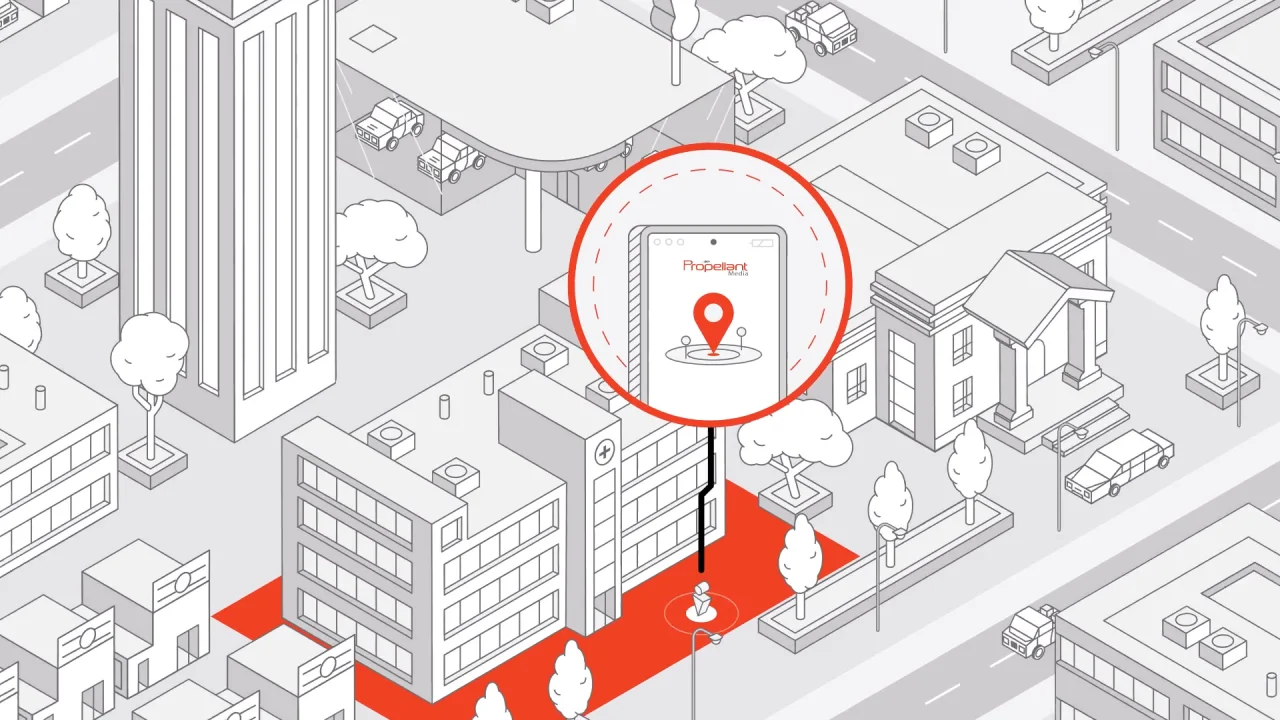
Pharmaceutical marketing has always tried to reach the right doctor and the right patient at the right time. Geofencing finally made that possible in a way that traditional marketing never could. Today, pharmaceutical companies can target digital ads to a physician attending a medical conference, a patient visiting a specialist clinic, or a caregiver entering a hospital parking lot. That level of targeting is not theoretical. It is already happening.
If you still think pharmaceutical marketing is about TV ads and sales representatives, you are missing the fastest-growing part of the industry. Location data is turning pharmaceutical marketing into a precision targeting system. The companies that understand this are not just running campaigns. They are mapping patient journeys and placing information exactly where healthcare decisions happen.
This is what geofencing and location-based pharma marketing really is. It is not advertising. It is strategic positioning based on movement, behavior, and healthcare access points.
What Geofencing Means in Pharmaceutical Marketing Strategy

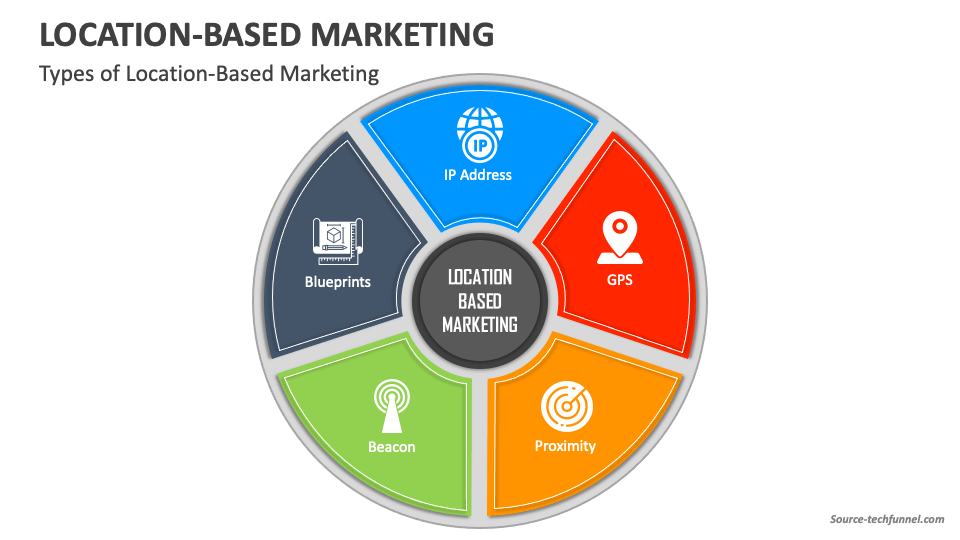
Geofencing allows companies to create virtual geographic boundaries around specific locations and deliver digital ads or messages to mobile devices that enter those areas. In pharmaceutical marketing, these locations often include hospitals, clinics, pharmacies, medical conferences, and specialist centers.
Think about the strategic value of this. Instead of targeting broad demographics, companies can target people based on where they go for healthcare. Location becomes a proxy for medical intent.
Common geofencing targets in pharma include:
- Hospitals
- Oncology centers
- Cardiology clinics
- Diabetes clinics
- Specialty pharmacies
- Medical conferences
- Competitor clinics
- Patient advocacy events
This allows pharmaceutical companies to reach highly relevant audiences without wasting budget on broad advertising.
Why Location Data Is So Valuable in Healthcare Marketing

Healthcare decisions happen in specific places. Diagnosis happens in clinics. Prescriptions happen in hospitals. Treatment decisions happen in specialist offices. Prescription filling happens in pharmacies. Medical education happens at conferences.
If you can place educational content, awareness campaigns, or physician messaging around these locations, you influence decisions at the moment they are being considered.
This is why location-based marketing works in pharma:
- It targets people already engaged in healthcare
- It reduces wasted advertising spend
- It increases relevance of messaging
- It allows competitive targeting near competitor locations
- It allows conference-based physician targeting
- It allows patient awareness campaigns near treatment centers
Location-based marketing turns advertising into timing plus context.
Real-World Use Cases in Pharmaceutical Marketing
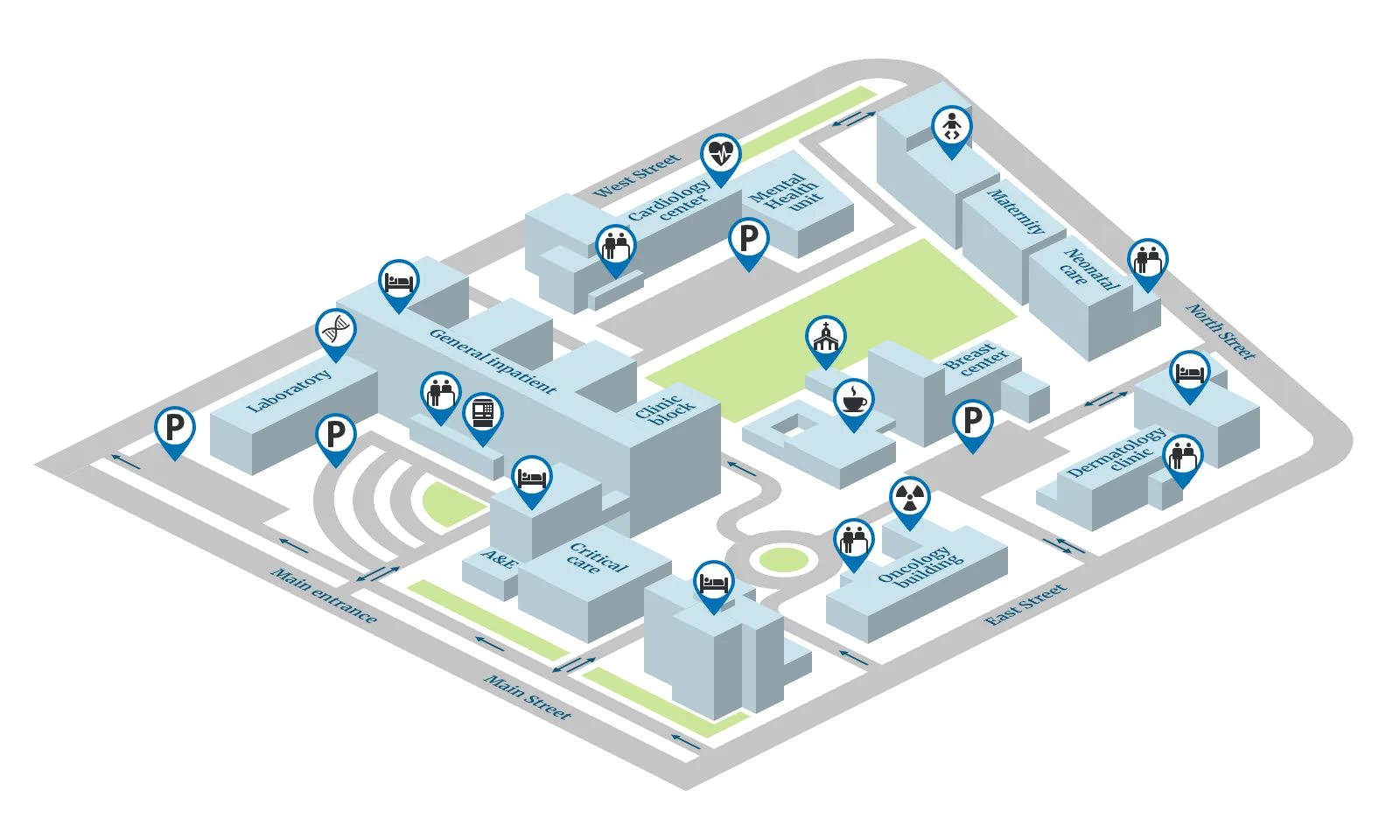
Let’s look at how pharmaceutical companies actually use geofencing in the real world.
Medical Conference Targeting
When thousands of physicians attend a medical conference, pharmaceutical companies set geofences around the conference venue. Physicians who enter the area receive digital ads, sponsored content, or educational materials on their mobile devices during and after the event. This reinforces brand recall after booth visits and presentations.
Hospital and Specialist Clinic Targeting
Companies place geofences around hospitals and specialist clinics. When patients or caregivers visit these locations, they may later see disease awareness ads, treatment education content, or patient support program information.
Pharmacy Targeting
Geofencing around pharmacies allows companies to target patients who are likely filling prescriptions for specific therapeutic areas.
Competitor Targeting
Some companies place geofences around competitor clinics or events and show alternative treatment information to physicians and patients.
This strategy is common in many industries, but in pharma it must operate within strict regulatory and privacy boundaries.
The Data Behind Location-Based Marketing Effectiveness
Location-based advertising often shows higher engagement rates than traditional digital advertising because the targeting is more relevant. When someone visits a cardiology clinic, a cardiology-related educational message becomes relevant. When a physician attends a conference, clinical data messaging becomes relevant.
Marketing studies across industries show that location-based mobile advertising can produce higher engagement and conversion rates compared to non-location-based digital advertising. In pharmaceutical marketing, the goal is often not immediate conversion but awareness, education, and brand recall.
This is especially important in therapeutic areas where treatment decisions take time, such as oncology, autoimmune diseases, and rare diseases.
Privacy, Regulation, and Ethical Boundaries
Geofencing in healthcare raises serious privacy and regulatory questions. Pharmaceutical companies cannot target individuals based on personal health data without consent. Regulations such as HIPAA in the United States restrict how health data can be used.
This means companies must use anonymized, aggregated location data and must avoid targeting that implies knowledge of a person’s medical condition. For example, targeting ads specifically stating a disease when someone enters a cancer clinic could raise privacy concerns.
This is why most geofencing campaigns in pharma focus on disease awareness, education, or physician education rather than direct product promotion.
Ethical use of location data is becoming a major topic in pharmaceutical marketing compliance discussions.
How Geofencing Fits Into the Pharmaceutical Commercial Model
Geofencing is usually part of an omnichannel marketing strategy. Pharmaceutical companies combine:
- Sales representatives
- Email marketing
- Medical education
- Conferences
- Digital advertising
- Patient support programs
- Telehealth partnerships
- Real-world evidence communication
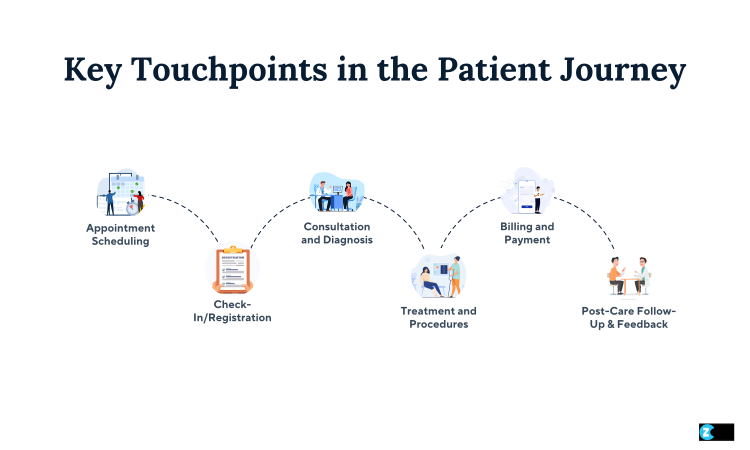
Geofencing adds a location layer to this strategy. It allows companies to deliver digital messaging at specific physical touchpoints in the patient and physician journey.
For example:
- A physician attends a conference and later receives digital ads with clinical data
- A patient visits a specialist clinic and later sees disease awareness content
- A caregiver visits a hospital and later sees patient support program information
This creates repeated exposure across multiple channels, which increases brand recall and treatment consideration.
Strategic Advantages of Geofencing for Pharma Companies
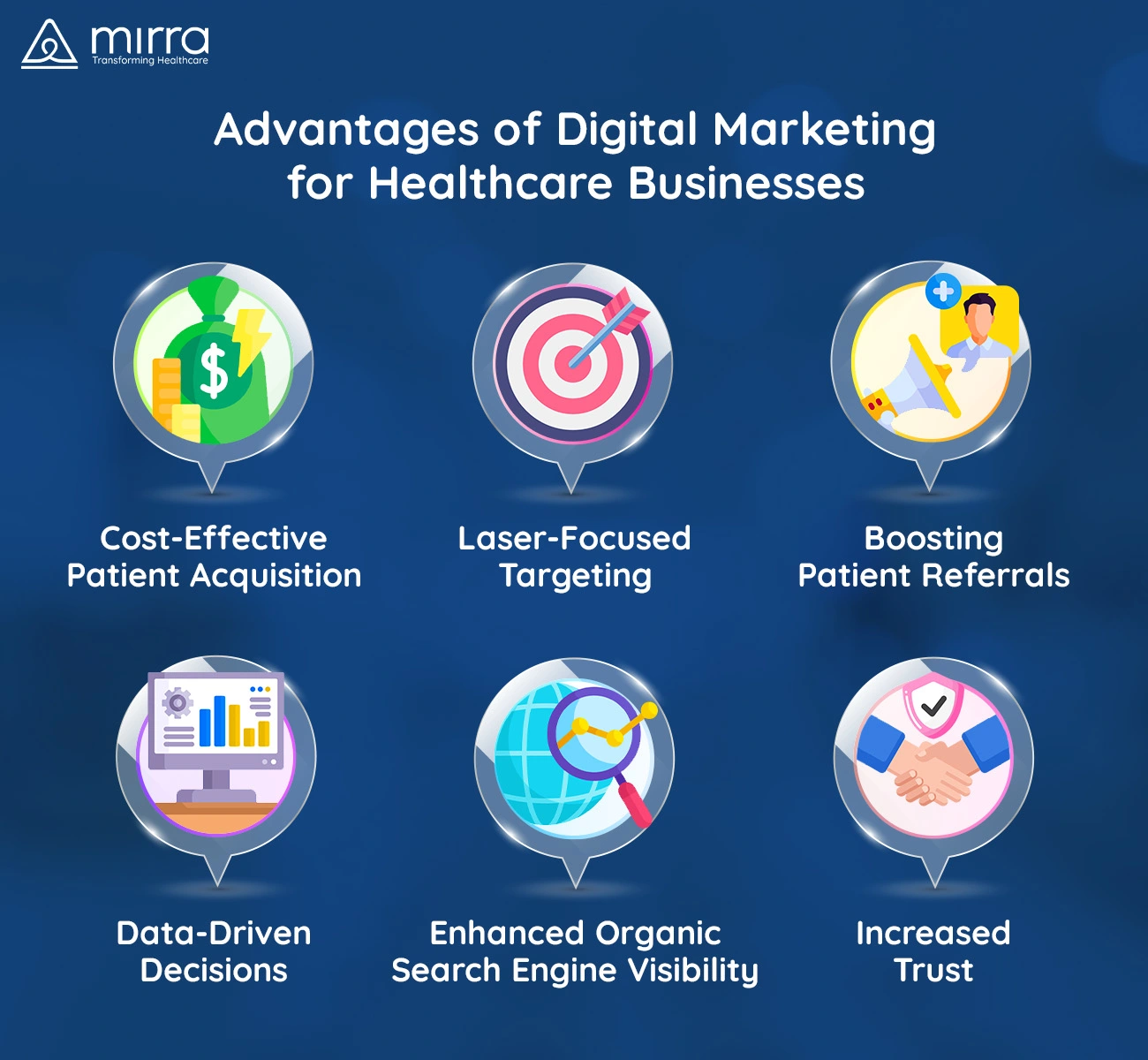
Geofencing offers several strategic advantages:
- Highly targeted audience reach
- Better marketing budget efficiency
- Ability to target specialists instead of general population
- Ability to target patients at treatment locations
- Ability to track campaign effectiveness based on location visits
- Ability to support drug launches in specific regions
- Ability to target competitor stronghold locations
For rare diseases and specialty drugs, where patient populations are small, location-based targeting can be especially valuable because patients often visit specific centers of excellence.
The Future of Location-Based Pharma Marketing
Location-based marketing is expected to grow as mobile device usage increases and digital healthcare platforms expand. Future developments may include:
- Integration with telehealth platforms
- Integration with electronic health systems
- AI-based patient journey mapping
- Predictive targeting based on movement patterns
- Personalized patient education delivery
- Real-time conference engagement strategies
As digital healthcare grows, physical location and digital behavior will combine to create more precise pharmaceutical marketing strategies.
The Strategic Question You Should Be Asking
If you work in pharmaceutical marketing, ask yourself this question.
Do you know where your patients are diagnosed, where your physicians attend conferences, where prescriptions are written, and where patients receive treatment?
Because if you know those locations, you know where your marketing should be.
Geofencing and location-based pharma marketing are not about advertising everywhere. They are about being present at the exact places where healthcare decisions happen.
In pharmaceutical marketing, influence is often about presence. And location determines presence.
References
FDA Guidance on Digital Advertising and Promotion
https://www.fda.gov/drugs/prescription-drug-advertising
HIPAA Privacy Rule Summary
https://www.hhs.gov/hipaa/for-professionals/privacy
IQVIA Report on Digital Pharmaceutical Marketing
https://www.iqvia.com/insights
Deloitte Digital Health and Pharmaceutical Marketing Report
https://www2.deloitte.com
McKinsey Digital Transformation in Pharma Marketing
https://www.mckinsey.com
eMarketer Location-Based Marketing Report
https://www.emarketer.com
