 US Pharma Marketing
Is Pharma Ready for Zero-Click Marketing? Five Ways to Win
For nearly 20 years, pharma marketing has been running on the same formula: drive traffic to Brand.com, maximize engagement, and measure clicks. It wasn’t a perfect system but it worked.
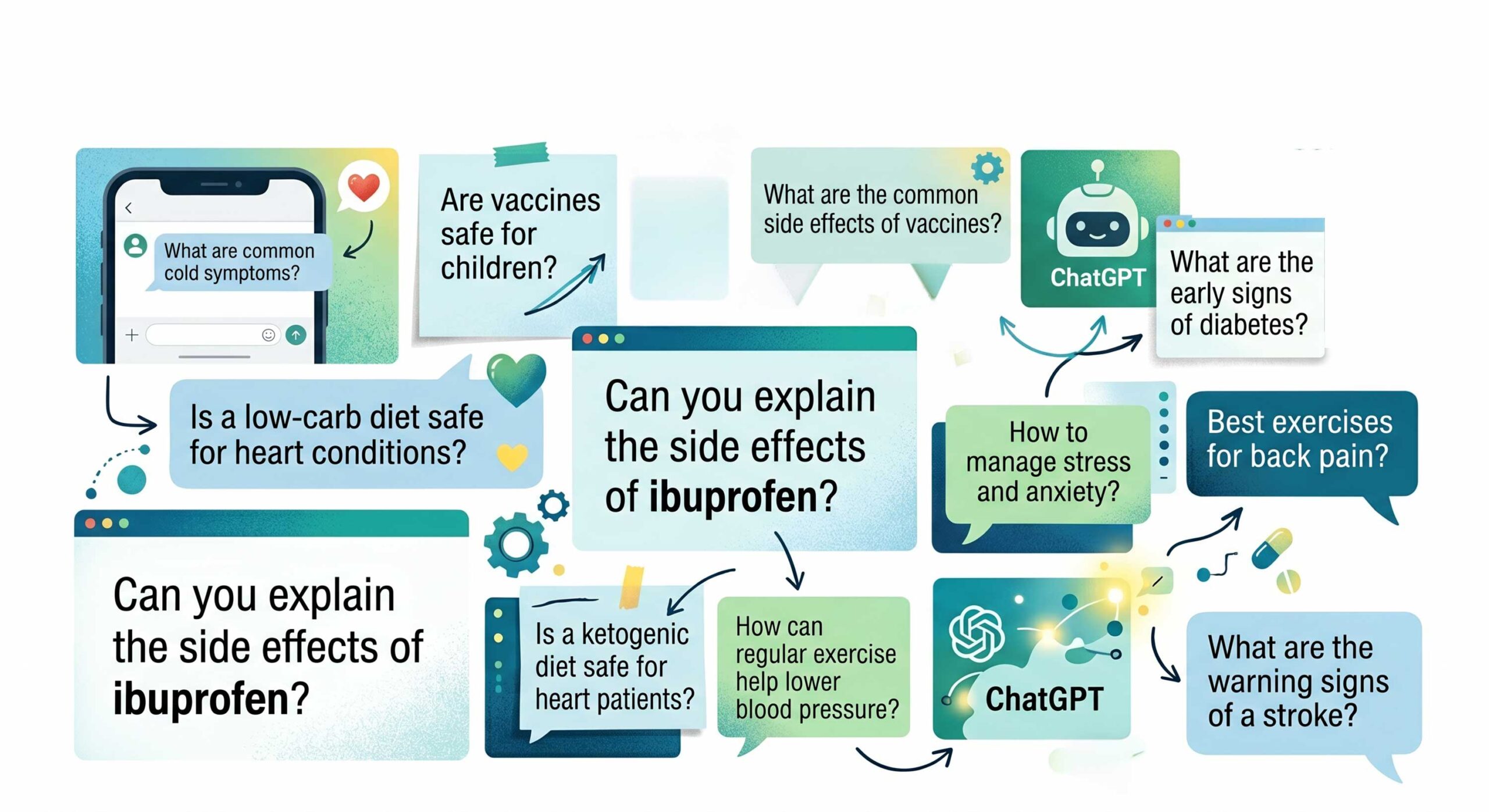
Then came GenAI. Patients, physicians, caregivers, and payers are getting what they need from Google AI Overviews, ChatGPT, OpenEvidence, and the thousands of video shorts that fill their social feeds. A recent study found 40 million people ask ChatGPT a healthcare question every day, while OpenEvidence answers more than 1 million physician queries daily.
Here’s the problem: Many of these users aren’t visiting Brand.coms afterwards. Around 56% of Google desktop searches now end without a click, according to Datos. On mobile, estimates run as high as 77%. And the major social platforms have rewritten their algorithms to favor native engagement over outbound traffic.
For pharma brand teams, there are real commercial consequences to the zero-click era—and most can’t be solved by a “digital” solution alone. Here are five places to start:
1. Measure meaningful impact Click-through and bounce rates become less informative when fewer people are clicking. Different metrics are required, such as Answer Inclusion Rate, which tracks how often your messages surface correctly in Google AI Overviews, Claude, and ChatGPT. If your competitors are showing up and you’re not, that’s a gap that needs solving. Similarly, Engagement Quality creates a composite score across all customer touchpoints. Now when customers click, marketers need to really make it count—even if it’s not on your website.
2. Use more authentic voices Patients and physicians are increasingly skeptical of AIgenerated content. Healthcare brands are beginning to respond by leaning into real human storytelling. For example, XOLAIR ran a Meta campaign featuring a real teen talking about his anaphylaxis, targeted at allergists. RADICAVA’s Share Your Story program recruited dozens of ALS patients to share personal videos and articles about treatment. Authenticity used to be optional in pharma marketing; today, it’s a legitimate competitive advantage.
3. Move beyond science toward emotion As GenAI platforms blossom, HCPs can instantly access peer-reviewed data about your product. That puts the onus on marketers to mine for emotional drivers, which can become distinctive HCP campaign attributes. For example, LEQSELVI’s “Full Speed A Head” campaign shows a patient’s hair growing back as she revolves in front of you, her smile growing more confident. “That’s Totally TLANDO” features an adventurous hero-patient, complete with Hawaiian shirt and spouse by his side.
4. Shift from delivering messages to providing answers A brand director friend recently shared a conundrum. When customers would ask Google what her product costs, AI Overviews returned the expensive retail price—not the $75 monthly co-pay. Brands that proactively provide content to answer customer questions, rather than leaving it up to the AI platforms, will show up more accurately and often. We’ve begun building “Answer Maps,” to go along with client message maps, as a structured way to define which questions the brand wants to own and how it will answer them.
“Around 56% of Google desktop searches now end without a click, according to Datos.”
5. Rewire your social media The default pharma playbook—run Meta ads and drive to Brand.com—is getting expensive! Life sciences brands doing well on social are leaning into lo-fi video, building creator partnerships, and showing up on platforms they’ve historically ignored. Reddit, for example, says healthcare is one of its fastest-growing organic categories, fueled partly by regular appearances in Google AI Overviews. And social isn’t just for patients and caregivers. A SERMO/LiveWorld study found half of US physicians changed prescriptions after encountering influencer content.
The “click” era isn’t ending overnight. But as the zero-click era dawns on life sciences, teams that start asking different questions about their metrics, storytelling, authenticity, content, and channels will be poised to win.