 US Pharma Marketing
What replaces Share of Voice as HCP behavior changes?
For decades, the pharma playbook was simple: out-shout the competition. We relied on a volume-heavy, “push” model of marketing where success was essentially about winning Share of Voice (SOV) through sheer volume. But as digital platforms fragmented and HCPs began finding information across dozens of sources, that “spray and pray” approach started to fail.
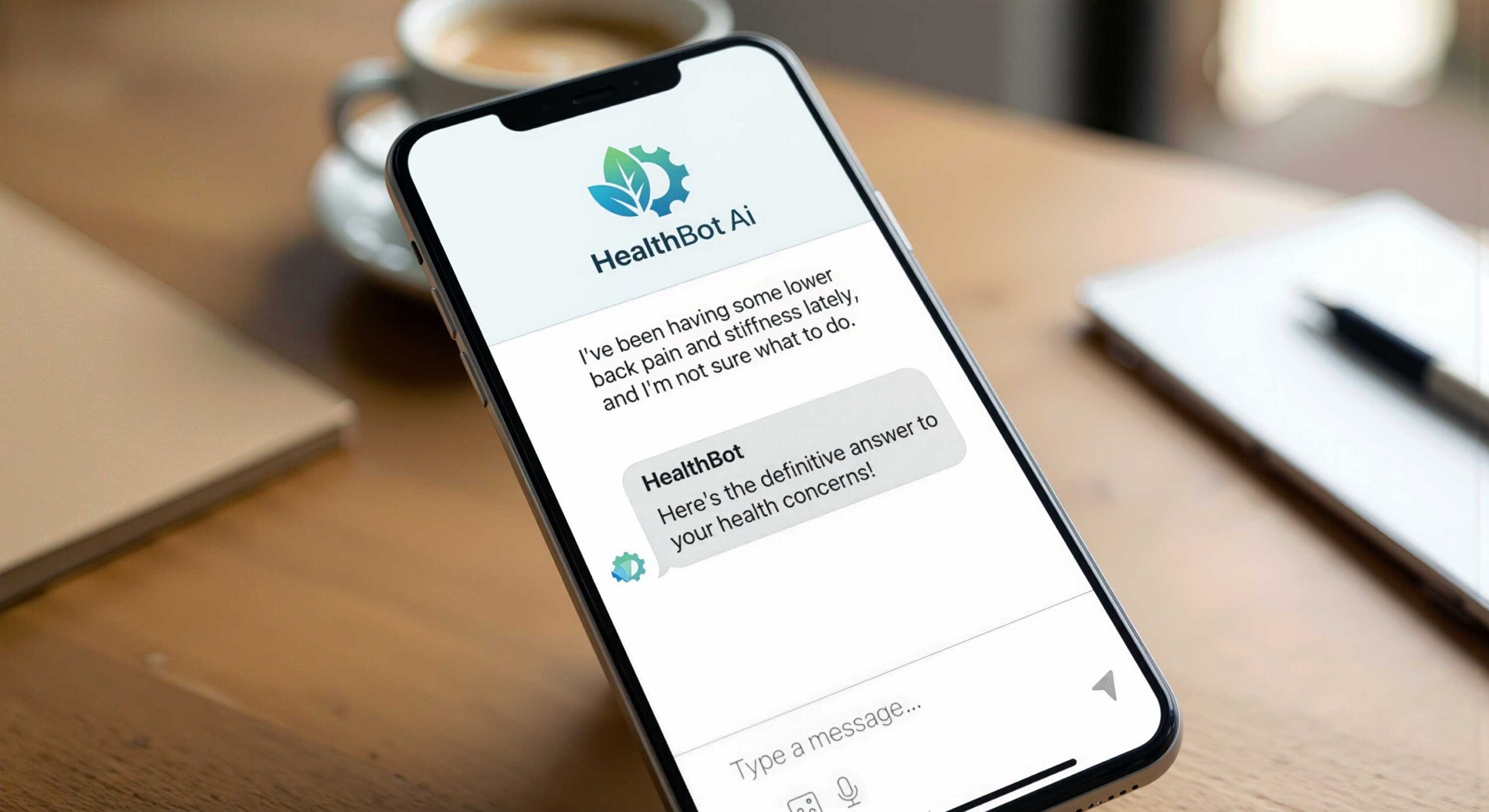
Traditional marketing has become expensive background noise. Now, the rise of agentic AI and generative answer engines has made the old playbook entirely obsolete. We are living in a zeroclick reality, where HCPs and patients no longer dig through pages of search results. Instead, they ask specific questions and get synthesized, definitive answers without ever visiting an authoritative website.
Brand visibility now depends on how well AI models understand, interpret, and cite your content. If a brand isn’t in an AI’s generated answer, it’s the same as ranking on page three of Google search results—it effectively does not exist.
This shift in customer behavior is clear, permanent, and impactful:
• 78% of HCPs use AI to seek current, comprehensive information to inform treatment decisions1
• 32% of consumers report turning to AI such as ChatGPT, Gemini, or Claude for health information2
• 56-67% of pharma launches in top therapeutic areas miss revenue targets3 , because one-size-fits-most marketing yields diminishing returns
Evolving to Optichannel Execution
While omnichannel promised a seamless experience, it often resulted in outdated campaigns built on six-month-old data or running on data that lagged weeks or months behind real world activities. In practice, it often devolved into budgets stretched thin across too many channels. Infrastructure and other challenges meant pharma continued to inundate busy HCPs with irrelevant noise at the wrong times.
In this model, success is still measured by leading vanity metrics, such as email open rates, total impressions, and the broad umbrella of SOV But those don’t actually correlate with clinical intent or script lift.
What is the real value of a message that reaches an HCP outside a relevant decision-making window? Unfortunately, today it’s just more digital noise they’ve learned to tune out—if they see it in the first place, since they’re looking for information in new ways.
Optichannel is the necessary evolution. Instead of focusing on connection across every channel, it focuses entirely on relevance. This means delivering personalized information exactly when there is a clear signal of need and doing it fast.
If you aren’t engaging within a 24- to 48-hour window of that clinical or behavior signal, you’ve missed the opportunity entirely.
Optichannel leverages artificial intelligence, deep datasets, and real-world data signals to pinpoint the channels, formats, messages, and moments that matter for each HCP. It relies on knowing HCP preferences today, not last year’s data, since that mix is now radically different.
And when AI tools and agents answer HCP questions before any brand or industry content reaches them, SOV is no longer the right metric.
It’s time to adopt a new success metric: Share of Answer (SOA).
The New Benchmark: Winning Share of Answer
As AI engines change information delivery, traditional SOV becomes irrelevant. You no longer want to be at the top of a list of ten websites or articles. You want to be the definitive answer provided, with your data serving as the primary source synthesized by an AI engine.
“You no longer want to be at the top of a list of ten websites or articles. You want to be the definitive answer provided, with your data serving as the primary source synthesized by an AI engine.”
SOA measures a brand’s presence and positioning within AI-generated responses for high-value clinical and category-specific queries. Your content is essential to build trustworthiness and earn citations, but the structure needs to change. While content remains essential for building trust, its structure must change to remain visible to these engines.
SEO still matters, but securing SOA requires also investing in Answer Engine Optimization (AEO) to structure content for authority and clarity. AI engines scan the web and assess content for citation based on factors including structure, authority, and freshness. What the engine deems as the clearest, most credible response will be cited to the end user.
The first step is a performance audit across relevant question sets that mirror HCP and patient intent: What are the latest treatments for BRAFmutated melanoma in 2026? Does ChatGPT (and each other major engine) cite your content when users ask about your brand or indication? How often? Is it linked? How does it compare to competitor citation rates?
Technical audits are also essential to develop a clear roadmap for optimizations. And this isn’t a one-time project, as AI visibility is not guaranteed. It needs to be assessed continuously to account for drift as models retrain and content landscapes shift.
It’s also not enough to just start buying media on every answer engine in an attempt to keep up. You need the same data-driven and precision-first mindset to buy in the right places to engage your HCPs when they have a real need, rather than just extending the same traditional spray-and-pray media model into these new channels.
The Share of Answer Future Is Already Here
Decisions are now shaped before customers land on your site. Optichannel orchestration has become critical to engage in the right moments proactively without the waste of traditional models.
What success looks like, in this transition from SOV to SOA, is a fundamental restructuring of credibility in a digital-first world. Most teams are already behind the game in this massive shift in user information seeking behavior.
The successful marketer of 2026 will stop buying broad, expensive reach and shift to the precision of optichannel.
This shows up when your customers need information. By unifying behavioral insights with advanced content structuring, brands ensure that when an HCP asks an AI assistant for the best treatment, your therapy is in the answer instead of being lost in the noise.