
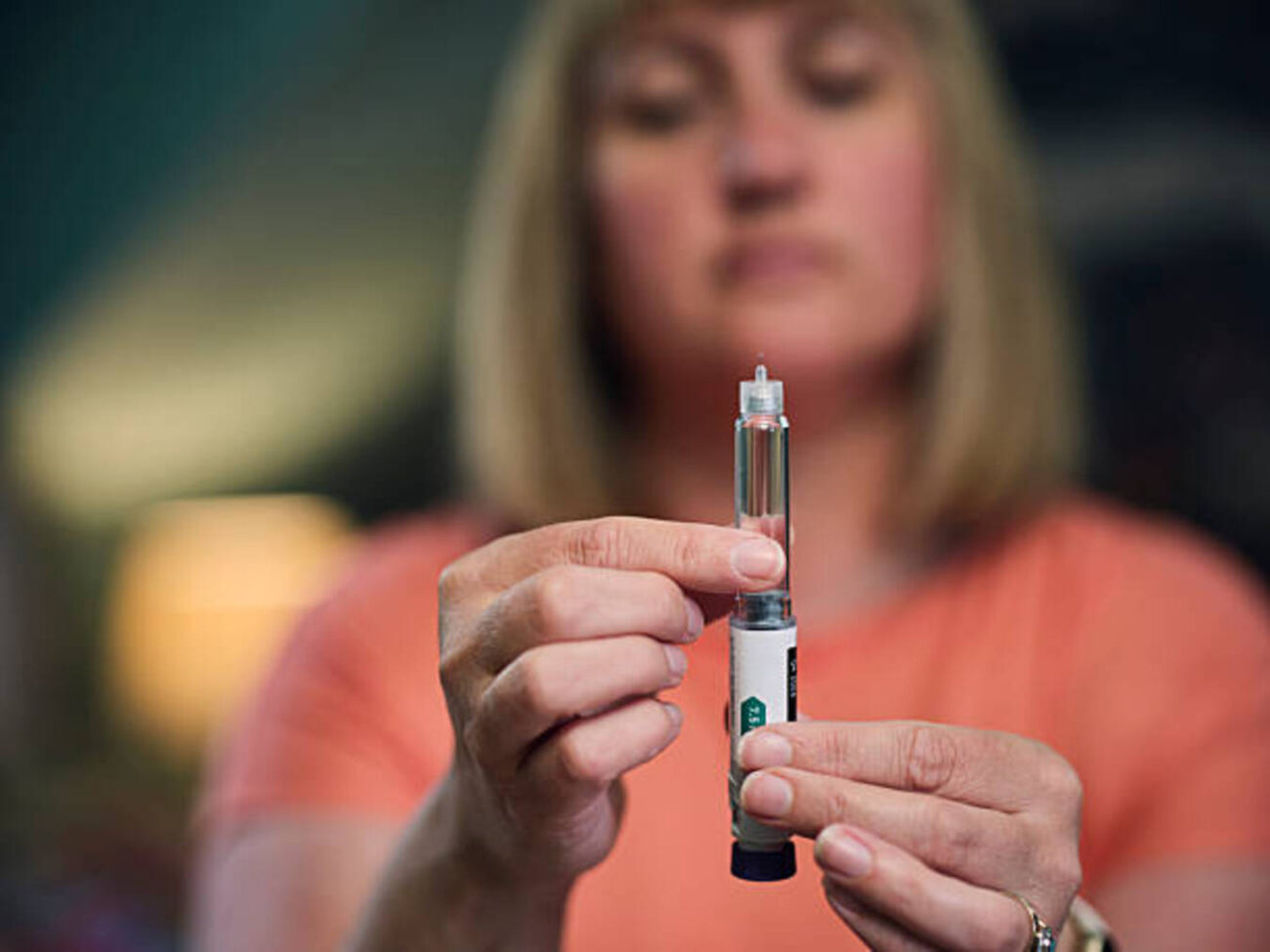
Eli Lilly’s ascent in 2025 is not the outcome of hype, nor is it a temporary anomaly in the pharmaceutical cycle. It reflects a disciplined strategy built around one of the most powerful shifts in global healthcare demand: the rise of GLP-1 medicines for diabetes, obesity, and broader metabolic conditions. You may be tracking pharma from the outside, or you may be responsible for shaping decisions inside the industry. Either way, the speed and scale of Lilly’s growth give you a blueprint for how a company can reposition itself by aligning with a global medical and economic inflection point.
Lilly closed 2024 with revenue of roughly US$45 billion, based on its reported full-year earnings. The company projected 2025 revenue in the range of US$58–61 billion during its official guidance update. Analysts and industry observers pointed out that this performance places Lilly in contention for the third position among global pharmaceutical companies by revenue, depending on how peers are ranked and which categories are included. You can verify this through reported revenue figures for major companies such as Roche, Pfizer, AbbVie, Sanofi, Merck, and Novo Nordisk.
What changed? Lilly went from being a strong but balanced company to one powered by a product class that reshaped public health conversations, investor sentiment, and patient behavior.
A fundamental shift in how Lilly sees itself
For more than a century, Lilly built its identity on neuroscience, immunology, endocrinology, and oncology. The arrival of GLP-1 drugs did not erase that history, but it did redefine the company’s strategic engine. When you look at 2025 numbers, the distinction is clear: Lilly’s GLP-1 franchise is no longer one product line among many. It is the growth engine.
During the last two years, metabolic health moved from being an under-prioritized category to becoming one of the largest therapeutic markets in the world. Cardiologists, endocrinologists, primary-care physicians, and obesity specialists all leaned into GLP-1s. Employers, governments, and insurers faced rising demand. Investors treated metabolic health as a long-term structural trend rather than a fad. Lilly positioned itself early for this shift.
Mounjaro and Zepbound: the twin engines driving the surge
Lilly’s GLP-1 products—Mounjaro and Zepbound—are based on tirzepatide, a dual GIP/GLP-1 receptor agonist. The science is important because it explains the commercial trajectory. These drugs consistently showed higher weight reduction and improved glycemic control in clinical studies compared with earlier GLP-1 molecules. That scientific advantage translated into market leadership.
Here are the numbers shaping Lilly’s current position:
- Mounjaro and Zepbound together generated over US$10 billion in Q3 2025, based on quarterly earnings shared by the company.
- Mounjaro delivered more than US$6.5 billion in Q3 2025 revenue, marking triple-digit year-over-year growth.
- Zepbound posted growth above 180 percent year-over-year in the same quarter.
- Combined GLP-1 sales for 2024 exceeded US$15 billion for Lilly, based on financial disclosures.
- Multiple market research firms expect Mounjaro and Zepbound to reach annual sales of US$40 billion or more by 2026, assuming manufacturing capacity remains consistent.
If you work in product strategy or healthcare investment, these numbers carry clear meaning. They indicate a franchise moving beyond blockbuster status into a category that defines entire pipelines and resource allocations. They also suggest a company able to sustain multi-billion-dollar production runs across the U.S., Europe, and Asia.
Moving into the top three: why 2025 became a turning point
When analysts talk about “top three,” they typically measure global pharmaceutical companies by annual revenue. Based on reported 2024 results, revenue looked roughly like this:
- Johnson & Johnson, around US$85 billion
- Roche, around US$67 billion
- Merck, around US$60 billion
- Pfizer, around US$58 billion
- AbbVie, around US$54 billion
- Eli Lilly, around US$45 billion
But the story does not stop with these published numbers. Lilly’s forecast for 2025 moves it into the elite group. A company growing revenue by more than 30 percent in one year is unusual in mature pharma. Lilly’s accelerated growth pushes it ahead of companies such as Sanofi and GSK. It also places Lilly in direct competition with companies historically larger in scale.
This shift is not symbolic. It changes:
- How capital markets price Lilly
- How regulators and payers assess its influence
- How competitors plan metabolic and obesity pipelines
- How partners approach co-development, licensing, and supply collaborations
If you are part of a decision-making team inside a pharma or biotech company, this shift forces you to ask whether your current pipeline can compete in a world where metabolic health drives valuation.
A manufacturing scale-up that defines competitiveness
One of Lilly’s most impressive moves is the speed at which it expanded manufacturing. Lilly acknowledged supply constraints in early 2024 and early 2025, especially in the U.S. and European markets. Rather than accept these constraints, the company accelerated capital expenditure to expand production.
Internal company guidance stated that Lilly expected to manufacture at least 60 percent more salable doses of GLP-1 drugs in 2025 than in 2024. That kind of expansion requires coordination across raw-material sourcing, fill-finish operations, packaging, regulatory validation, and global supply-chain logistics.
For you in operations or commercial leadership, Lilly’s trajectory shows that supply is a competitive moat. Having the science is not enough. If you cannot produce at scale, you cannot dominate global markets.
Key takeaways for your organization:
- Supply must be treated as a strategic priority.
- Early investment in manufacturing often determines market share.
- Partnerships with contract manufacturers cannot replace in-house capability at this scale.
- Forecasting must account not only for current demand but also for emerging indications and geographies.
GLP-1 demand exceeded early forecasts. Lilly planned for this. Others did not.
Global expansion rewrites the revenue map
Lilly’s growth is not limited to the United States. Demand outside the U.S. expanded faster than many analysts predicted.
Reports from the European Medicines Agency confirmed Zepbound’s approval across major EU markets in 2024, followed by rapid commercialization in 2025. Lilly stated during quarterly earnings calls that non-U.S. Mounjaro revenue more than tripled in some quarters year-over-year.
If you work in global market access, this highlights several trends:
- Obesity treatment is now a mainstream, reimbursed medical intervention in several countries.
- Health agencies across Europe, Asia, and Latin America see GLP-1 adoption as a lever to reduce long-term risks such as cardiovascular disease.
- Demand is not limited to high-income populations; emerging markets are preparing for increased access.
The companies that will lead this category must understand regulatory frameworks beyond the U.S. Lilly’s global strategy illustrates that market leadership is a function of both science and international execution.
How Lilly built a defensible moat in metabolic health
Metabolic health is now one of the most attractive categories in pharma. Lilly’s success is grounded in structural advantages you can learn from:
1. Focused portfolio allocation
Lilly concentrated pipeline resources behind metabolic disease, rather than losing momentum across too many therapeutic areas. This focus helped internal teams move faster and improved capital efficiency.
2. Indication expansion strategy
Mounjaro started with diabetes. Zepbound extended the molecule into obesity. More indications are underway, including sleep apnea, heart-failure risk reduction, liver disease, and cardiovascular risk reduction. A single molecule platform became an entire therapeutic ecosystem.
3. Evidence-driven positioning
Lilly ran comprehensive clinical programs that demonstrated benefit across metabolic markers. This allowed pricing, reimbursement, and guideline inclusion to move faster.
4. Global regulatory engagement
By coordinating regulatory submissions across dozens of markets, Lilly accelerated global commercial availability.
5. Manufacturing scale as a differentiator
Capacity determines revenue. Lilly invested in manufacturing facilities long before peak demand.
These factors create a structural moat that competing companies need years to match.
Competitive pressure reshaping the industry
Lilly’s growth has direct consequences for competitors. Novo Nordisk remains a heavyweight in the GLP-1 category with Ozempic and Wegovy. Pfizer, Amgen, and several smaller biotech companies are accelerating pipelines for oral GLP-1s and next-generation compounds.
If you are in competitive intelligence, pay attention to:
- How competitors plan for oral GLP-1 launches
- Whether pricing pressure intensifies as more products reach market
- The likelihood of biosimilars entering the class within the next seven to ten years
- The introduction of combination therapies
- Mergers and acquisitions among metabolic-focused biotech companies
Market leaders never stay unchallenged. Lilly currently dominates because it acted early. The next phase will test how it responds when the field becomes crowded.
Pricing and reimbursement: the next battlefront
Demand for GLP-1s is strong, but pricing pressure is a real issue you must consider. Several governments are evaluating the cost-benefit tradeoff of covering obesity medications. Employers and private insurers are implementing utilization management programs.
This raises important questions:
- Will payers restrict coverage to certain BMI thresholds?
- Are insurers preparing for long-term use rather than short treatment periods?
- How will global health-budget constraints influence reimbursement decisions?
You should anticipate that pricing decisions will move away from premium pricing once competitors enter with new formulations. Lilly’s revenue projections assume continued volume growth even if pricing fluctuates. The company acknowledged that strong global demand helped offset lower pricing in some territories.
For you working in market access, the takeaway is clear: the future of GLP-1 profitability will depend on scale and access, not only on price.
What this means for investment strategies
If you invest in biotech or pharma, Lilly’s rise signals several shifts:
- Companies with metabolic-health pipelines receive higher valuations relative to their phase.
- Investors see GLP-1s as a platform, not a product category.
- Growth forecasts now extend 10–15 years instead of five years.
- Manufacturing footprint is now a valuation variable.
- Large-cap pharma without a metabolic platform risk losing long-term relevance.
You should assess whether Lilly’s growth represents peak demand or a long runway. Early indicators show sustained adoption across demographic and socioeconomic segments.
Lessons for your organization
Lilly’s story provides a clear framework you can replicate in your strategic planning:
1. Align with megatrends
Metabolic disease is a global crisis. Companies that align with large unmet needs gain momentum.
2. Move fast on global approvals
Speed matters, especially in categories where competitive landscapes evolve monthly.
3. Treat manufacturing as strategy
If you cannot scale, you cannot lead.
4. Build an ecosystem, not a single product
Indications, combination therapies, digital tools, and longitudinal care models create lasting value.
5. Communicate clearly with regulators and public stakeholders
Lilly’s transparency about supply constraints, manufacturing plans, and clinical outcomes helped build trust.
What to monitor through 2026
As you look ahead, several indicators will define Lilly’s long-term position:
- Expansion into new indications such as sleep apnea
- The pace of global supply expansion
- Competitor launches in oral GLP-1s
- Payer decisions on long-term reimbursement
- Clinical outcome results showing downstream health benefits
- Patient adherence patterns for long-term therapy
Your planning should track these metrics if you operate in healthcare strategy, investment, or commercial roles.
Closing perspective
Lilly’s emergence as a top-three pharmaceutical company in 2025 marks a new phase for metabolic health. You now see the convergence of groundbreaking science, strong execution, aggressive manufacturing expansion, and disciplined global strategy. Mounjaro and Zepbound reshaped the company’s trajectory, but the broader lesson for you is that strategic clarity and early investment unlock transformative growth.
Every organization across pharma and biotech must now ask:
Are you positioned in a therapeutic area with global momentum, or are you spread across small markets with limited upside?
Do you have the operational capability to scale rapidly if demand surges?
Are you ready for a world where metabolic health becomes one of the dominant categories in medicine?
Eli Lilly answered those questions through action. The market rewarded it with historic growth.
References (Plain Text Links)
Eli Lilly Full-Year 2024 Earnings – Yahoo Finance
https://finance.yahoo.com/news/eli-lilly-full-2024-earnings-115750862.html
Eli Lilly 2025 Revenue Guidance – PR Newswire
https://www.prnewswire.com/news-releases/lilly-provides-update-on-2024-revenue-guidance-announces-2025-revenue-guidance-302349776.html
Q3 2025 GLP-1 Sales Performance – Fierce Pharma
https://www.fiercepharma.com/pharma/cvs-formulary-hitch-doesnt-dent-lillys-zepbound-growth-analyst-hails-strong-quarter-across
Mounjaro and Zepbound Growth Figures – Yahoo Finance
https://finance.yahoo.com/news/massive-sales-weight-loss-drugs-120334698.html
GLP-1 Market Forecast – Wall Street Journal
https://www.wsj.com/health/pharma/the-weight-loss-craze-is-about-to-mint-a-trillion-dollar-company-f92d51d0
Global Demand Expansion – Financial Times
https://www.ft.com/content/32f0dae4-fc82-47df-9170-530562c341a7
Supply and Manufacturing Commentary – Investopedia
https://www.investopedia.com/eli-lilly-stock-slumps-on-lowered-sales-forecast-8774121
Clinical and Commercial Updates – BioPharma Dive
https://www.biopharmadive.com/news/eli-lilly-zepbound-sales-obesity-2024-guidance-jpm/737282
Top Pharma Revenue Figures – Companies Market Cap
https://companiesmarketcap.com/eli-lilly/revenue
