
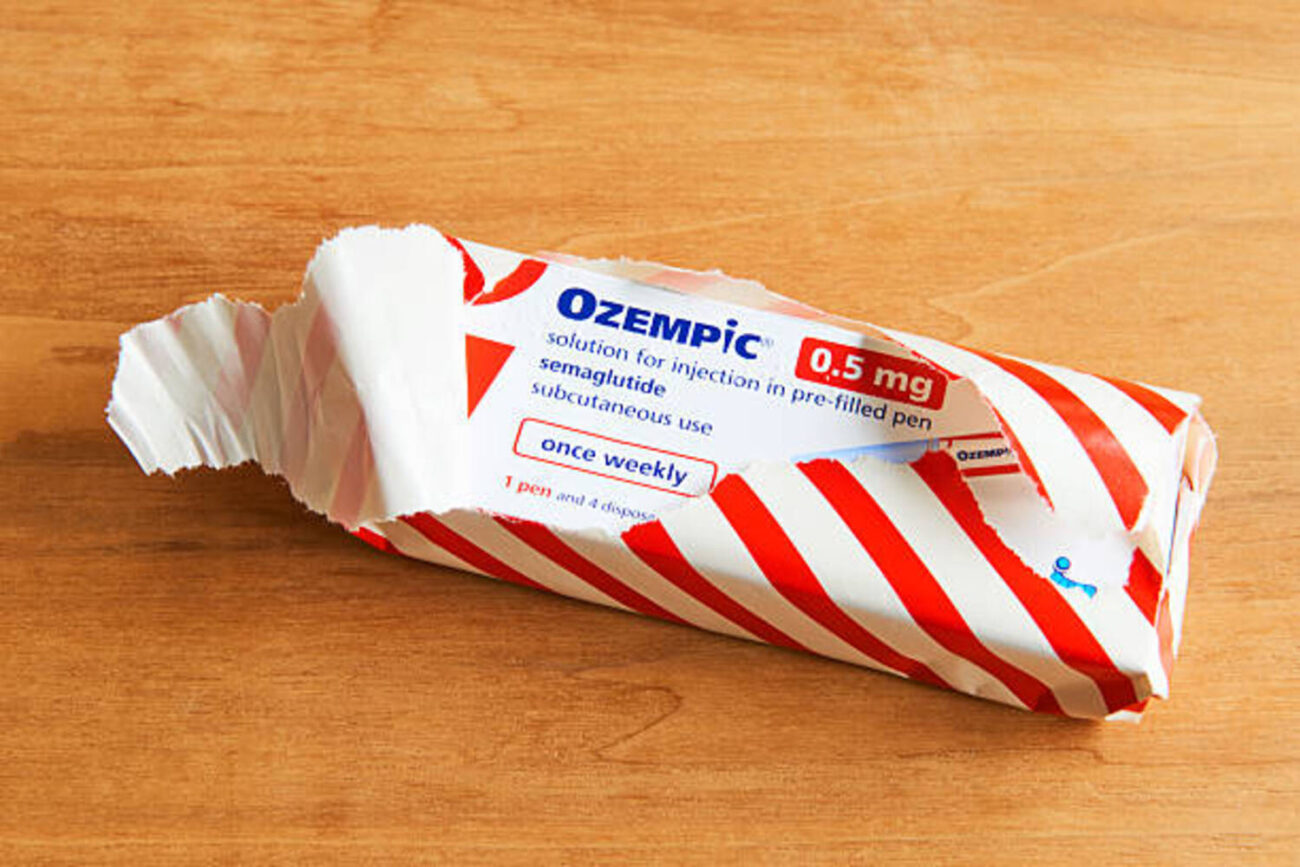
You can track shifts in global healthcare by watching where capital flows, how prescribers modify their habits, and which products trigger new policy conversations. Novo Nordisk’s rise into the world’s top five pharmaceutical companies captures all three at once. Ozempic and Wegovy did more than create a new peak in metabolic care. They introduced a new commercial category, drove supply chain redesigns, reshaped payer behavior, and changed the strategic direction of competitors who underestimated the scale of the obesity market.
You live in a time where obesity affects more than 1 billion people worldwide. Large players spent decades treating it as a lifestyle concern rather than a clinical challenge with long-term economic impact. Novo Nordisk moved in the opposite direction. The company treated obesity as a medical condition with measurable outcomes and clear cost offsets. That decision shifted the entire sector.
This article breaks down why Novo Nordisk reached the top five, what fuelled the surge, and what you can learn if you follow biotech investment, healthcare strategy, or commercial drug launches. You will see how market movements, product data, and aggressive pipeline expansion converged to deliver one of the fastest ascents in modern pharma history.
Why Ozempic and Wegovy Became Economic Forces
Ozempic launched in 2017 for type 2 diabetes. Wegovy launched in 2021 for chronic weight management. Both use semaglutide, but their indications, pricing, and dosage targets differ. The unifying factor is demand. Patients and physicians drove interest far faster than analysts expected.
You should understand three main drivers behind the rapid uptake:
- Clinical effectiveness: Semaglutide produced weight reduction results that outperformed older therapies by a wide margin. Trials reported average weight loss of around 15 percent at higher doses. That changed physician willingness to prescribe.
- Public visibility: Demand accelerated as public figures, business leaders, and informal social circles circulated personal outcomes. People who never sought medication for weight management started asking clinicians directly.
- Economic framing: Employers and insurers began tying obesity management to productivity, reduced comorbidity risks, and long-term medical cost control. This moved the conversation from wellness to economics.
Novo Nordisk built an early supply advantage by investing in GLP-1 manufacturing capacity long before demand became visible. You now see the same narrative play out at Eli Lilly with tirzepatide. But Novo Nordisk held the initial scaling advantage.
The Market Impact Behind Novo Nordisk’s Surge
The company surpassed a market capitalization of USD 500 billion in 2024, placing it ahead of many long-standing industry leaders. Analysts reported that obesity and diabetes products generated close to two-thirds of Novo Nordisk’s total revenue during this period. The scale of the shift becomes clear when you look at three commercial pillars.
1. Revenue Acceleration
Novo Nordisk’s revenue grew year over year at double-digit rates primarily due to Ozempic and Wegovy. In several quarters, growth exceeded 30 percent. Few legacy pharma companies capture this type of expansion after already reaching maturity.
You see continued demand even with supply constraints. The backlog itself became a market indicator. Pharmacies reported waiting lists. Payers introduced step-therapy rules. Providers adjusted dosage schedules to manage availability. Demand outpaced production across multiple regions.
2. Geographic Expansion
Ozempic succeeded first in the United States, but Novo Nordisk saw similar traction in Europe, the Middle East, and parts of Asia. Countries with high obesity burdens showed the strongest demand curves. Middle-income markets began adopting GLP-1 therapies faster than many analysts projected because governments viewed the long-term savings profile as favorable.
3. Pharmaceutical Category Reset
The obesity market transformed into a high-value sector. Historically, weight-loss drugs failed due to modest outcomes or safety issues. GLP-1 drugs reversed that trend. This forced incumbents and newcomers to reshape their pipelines, marketing strategies, and capital allocation.
You can track the pivot through:
- portfolio divestments by companies moving resources into metabolic care
- rising GLP-1 competition from both branded and biosimilar players
- M&A targeted at metabolic platforms and delivery technologies
Novo Nordisk now sits at the center of a category that did not exist in its current form ten years ago.
From Diabetes to Systemic Healthcare Influence
Ozempic was not designed to become the center of global cultural conversation, yet the data created a ripple effect. You see GLP-1 drugs influencing cardiovascular research, fertility care discussions, hepatology forecasts, and orthopedic planning.
Cardiovascular Outcomes
Trials demonstrated that semaglutide reduced major adverse cardiovascular events. This pushed stakeholders to frame GLP-1 therapies as dual-benefit products: weight loss and heart-risk reduction. That framing increased payer interest because cardiovascular disease represents one of the highest cost burdens in public health systems.
Non-alcoholic steatohepatitis (NASH)
Interest surged when early studies showed improved liver markers. If semaglutide or next-generation molecules achieve regulatory approval in NASH, you will see an entirely new market open for Novo Nordisk. NASH historically attracted large investment but produced few successful launches.
Sleep apnea and fertility
Higher weight is linked to sleep apnea prevalence and reduced fertility outcomes. GLP-1 therapies generated measurable improvements in weight reduction, which drove secondary benefits in these areas. Analysts now include these cross-therapy effects in future pipeline valuation.
Why Competitors Struggled to Respond Fast Enough
The speed of Novo Nordisk’s rise highlights gaps in how incumbents viewed the obesity market. You can learn from three mistakes that slowed competitors.
1. Underestimating Market Size
Many players viewed obesity as a slow-growth category with inconsistent patient adherence. Novo Nordisk’s trial design and dose-escalation model improved adherence and demonstrated durable results. Once real-world evidence aligned with trial data, demand surged.
2. Manufacturing Shortfalls
The complexity of GLP-1 manufacturing created barriers to rapid scaling. Semiconductor controls, supply chain for prefilled pens, biologics facilities, and fill-finish capacity all limited production. Companies that did not invest early found themselves locked out of the fastest-growing segment.
3. Limited Patient Awareness Strategies
Novo Nordisk invested in direct-to-consumer education, physician engagement, and obesity-as-disease framing. Competitors remained risk-averse due to past safety issues in the category. That hesitation created a messaging gap.
The broader lesson is clear: drug categories can shift fast when clinical outcomes, cultural attention, and market economics align. If companies move slowly, they lose the early advantage.
How Ozempic and Wegovy Changed Patient and Provider Behavior
The scale of global engagement reveals how deeply these drugs altered patient behavior. You see three notable shifts.
1. First-Time Medical Seekers
Large numbers of individuals who never considered chronic weight management began approaching physicians. This changed primary care workflows and raised the need for new treatment guidelines.
2. Shift Toward Long-Term Medication
Patients began viewing weight management as a chronic condition similar to hypertension. That supported higher long-term adherence. Providers adjusted expectations around maintenance doses and follow-up visits.
3. Lifestyle and Food Industry Effects
Retailers reported falling sales in certain food categories, while gyms and digital health companies reported rising demand for integrated weight-management programs. This created new business models around GLP-1 support services, nutrition planning, and strength training designed to manage weight loss side effects.
These ripple effects spread across sectors, reinforcing the commercial reach of Novo Nordisk’s products.
The Strategic Moves That Strengthened Novo Nordisk’s Position
You see Novo Nordisk’s ascent not only as a product story but as a corporate strategy story. Several deliberate moves fuelled its rise.
1. Early Bet on GLP-1 Class
The company invested in GLP-1 research for more than two decades. While competitors pursued other metabolic targets, Novo Nordisk refined GLP-1 delivery, dosing, and trial outcomes. This long-term commitment built a moat that remains hard to dismantle.
2. Strong Lifecycle Management
Novo Nordisk expanded indications, explored cardiovascular claims, tested oral delivery, and prepared combination therapies. Each move increased the product lifetime and expanded addressable populations.
3. Vertical Integration
The company built internal manufacturing capabilities for GLP-1 production and device components. Vertical integration allowed better control over scaling, quality, and margins.
4. Global Policy Engagement
The company invested in communication with policymakers, focusing on obesity’s links to diabetes, heart disease, workplace productivity, and national health budgets. This helped position obesity treatment as a priority category for many governments.
5. Diversified Pipeline Strategy
Even with GLP-1 dominance, Novo Nordisk invested in new platforms for rare diseases, cardiometabolic therapies, and next-generation incretin combinations. This diversification reduced risk.
Financial and Market Signals You Should Track
If you follow the sector for investment or strategic planning, pay attention to specific indicators that reveal the next phase of growth.
1. Manufacturing Commitments
The company announced significant new production investments across Denmark and the United States. Track lead times and facility completion schedules. These will determine supply stability and revenue impact.
2. Pricing and Reimbursement Shifts
Governments are re-evaluating coverage policies for weight management medications. The United States is considering policy revisions under Medicare. Europe is evaluating long-term cost structures. Coverage decisions will shape future sales curves.
3. Competition from Eli Lilly
Tirzepatide (Mounjaro/Zepbound) produced strong results in diabetes and obesity. Lilly’s strong manufacturing push will intensify competition. Both companies may divide the market across sub-segments defined by clinical profile, price, and access. Watch how prescribers decide between the two classes in the next year.
4. Oral GLP-1 Development
Oral semaglutide represents the next frontier for patient convenience. If Novo Nordisk succeeds in scaling oral production, it will reach populations that prefer pill formats over injections.
5. Biosimilar Entry Timelines
Although patent cliffs are years away, early signs of biosimilar research already appear. Competitive pressure will rise once complex GLP-1 biosimilars become feasible.
Novo Nordisk’s Rise and What It Means for You
If you work in healthcare, investment, digital health, or pharma operations, Novo Nordisk’s ascent offers clear insights that you can apply in your own strategy.
Insight 1: Demand Can Outpace Expectations Fast
Once patient outcomes become widely visible, demand can climb sharply. Build forecasting models that integrate real-world word-of-mouth signals, not just clinical adoption curves.
Insight 2: Long-Term Platform Bets Pay Off
Novo Nordisk spent decades on GLP-1 research. That type of conviction builds competitive advantages that cannot be replicated through short-term capital cycles.
Insight 3: Disease Reframing Changes the Market
Treating obesity as a medical condition, not a lifestyle issue, unlocked payer interest, employer support, and regulatory engagement. Similar reframing opportunities exist in areas like women’s health, liver disease, and chronic inflammatory conditions.
Insight 4: Downstream Effects Drive New Industries
GLP-1 drugs created opportunities for:
- nutrition companies targeting GLP-1 users
- fitness coaches specializing in muscle retention
- digital health players offering structured support programs
- employers looking to reduce healthcare costs
Entire ecosystems can form around a single class of medication when outcomes are strong and adoption is high.
Insight 5: Saturation Will Not Arrive Soon
Only a small percentage of eligible patients globally have started GLP-1 therapy. The addressable market spans hundreds of millions of individuals. Novo Nordisk and Lilly could run parallel growth tracks for several years without hitting saturation.
What Comes Next for Novo Nordisk
The next phase of Novo Nordisk’s story will involve clinical expansion, supply stabilization, and broader integration with healthcare systems.
1. Cardiovascular Indication Approvals
If regulators approve expanded cardiovascular claims, coverage will widen. Payers prioritize interventions that reduce expensive hospitalizations. This creates a strong long-term revenue base.
2. Combination Therapies
Novo Nordisk is developing next-generation drugs that combine GLP-1 with GIP or other incretin pathways. Combination products may deliver greater weight loss and metabolic control. These could reshape preference patterns again.
3. Pediatric Obesity Markets
Regulators have already cleared Wegovy for adolescents in some regions. Pediatric approvals expand the addressable population and may influence long-term public health planning.
4. Strengthening Global Manufacturing Footprint
New facilities will ease shortages. Production stability will shape market share more than marketing spend. The company’s future depends on how fast it can scale both active ingredient manufacturing and device production.
5. Digital Health Integration
You may see Novo Nordisk partner more deeply with digital platforms to support adherence, manage side effects, and create structured lifestyle programs. This type of integration boosts outcomes and supports reimbursement models.
Final Thoughts
Novo Nordisk’s climb into the global top five is not a short-term success story. It reflects strategic bets made long before the market recognized obesity as a clinical priority. The company built its position through strong science, clear communication, early investment in capacity, and a disciplined view of patient needs. Ozempic and Wegovy changed the expectations for metabolic care worldwide, but the broader lesson lies in how Novo Nordisk approached the entire category.
As you evaluate future opportunities in pharma, digital health, or biotech investing, ask yourself: Are you focusing enough on long-term platforms with clear clinical value, or are you reacting to short news cycles? Novo Nordisk’s rise shows what becomes possible when data, market timing, and strategic conviction align.
Reference Links
- Novo Nordisk Annual Report
https://www.novonordisk.com/investors/annual-report.html - Ozempic Product Information
https://www.novonordisk.com/products/ozempic.html - Wegovy Product Information
https://www.novonordisk.com/products/wegovy.html - WHO Obesity Data
https://www.who.int/news-room/fact-sheets/detail/obesity-and-overweight - Clinical Trials for Semaglutide
https://clinicaltrials.gov - Global Pharma Market Capitalization Rankings
https://www.statista.com
