
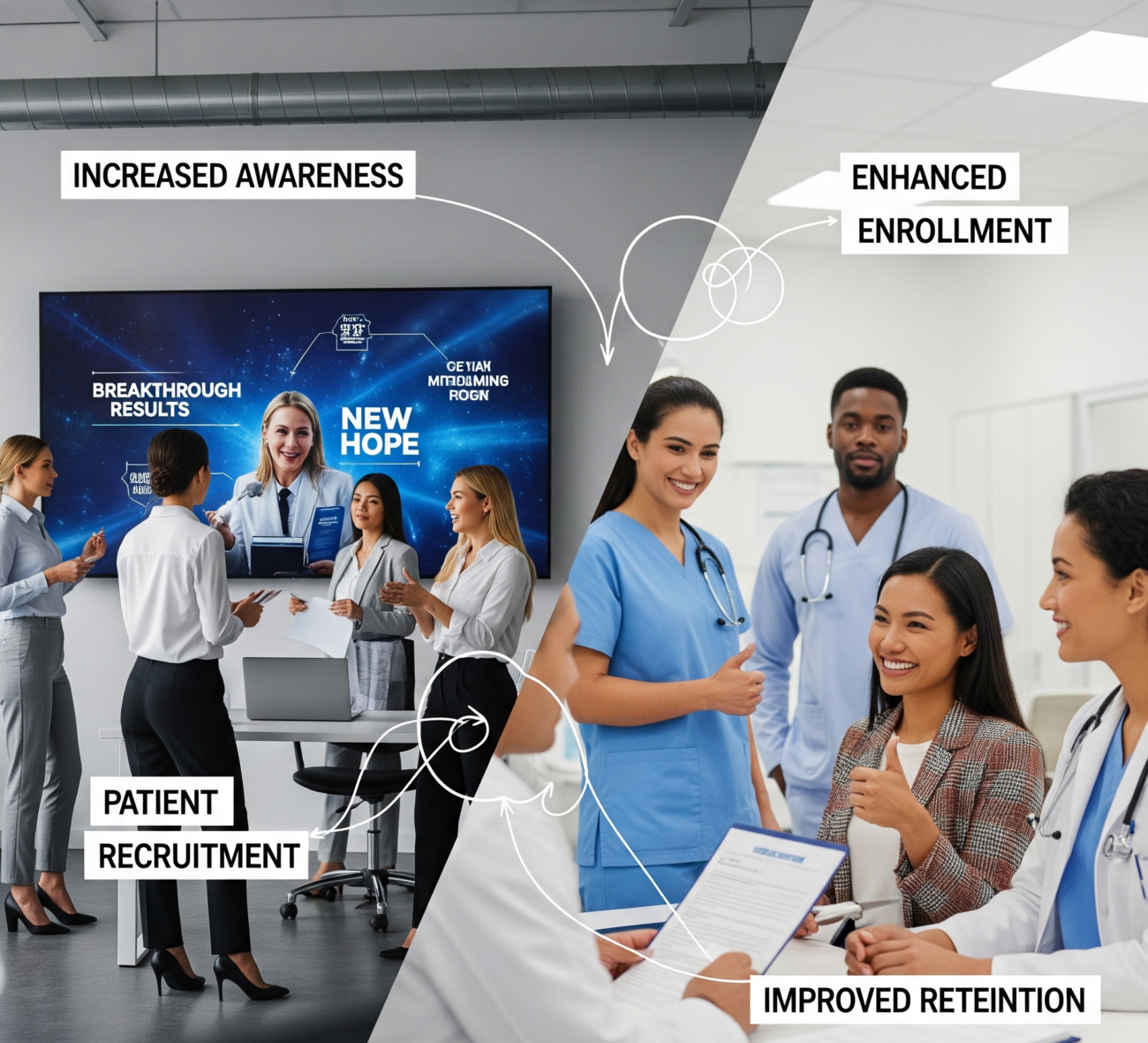
Digital transformation has shifted from an experimental initiative to a strategic necessity across the pharmaceutical industry. Pharmaceutical companies face rising research costs, complex regulatory expectations, fragmented healthcare ecosystems, and increasingly empowered patients. Digital technologies now help companies address these challenges by enabling faster drug development, smarter supply chains, enhanced patient engagement, and data-driven commercial decision-making.
Global pharmaceutical executives increasingly recognize digital transformation as a core business driver rather than a technology upgrade. Companies now embed artificial intelligence, cloud infrastructure, real-world evidence platforms, and advanced analytics into nearly every stage of the drug lifecycle. Successful transformation initiatives demonstrate measurable improvements in clinical timelines, patient outcomes, regulatory compliance, and revenue growth.
This article examines comprehensive digital transformation stories across four major domains:
- Patient-centered digital transformation
- Research, development, and operational transformation
- Commercial and marketing transformation
- Regulatory and compliance transformation
The Urgency Driving Pharmaceutical Digital Transformation
Pharmaceutical companies operate under intense economic and scientific pressure. Drug development timelines remain long, regulatory requirements continue to expand, and patient expectations increasingly mirror digital consumer experiences.
Rising R&D Costs and Productivity Challenges
Research and development expenses have surged over the past decade. According to Deloitte’s annual pharmaceutical innovation report:
- The average cost to bring a new drug to market exceeded $2.3 billion in 2023.
- Average development timelines often exceed 10 years.
- R&D return on investment dropped below 2% for many large pharmaceutical companies.
These economic pressures encourage companies to adopt AI-driven discovery platforms, digital trial models, and automation to improve productivity and reduce attrition rates.
Growing Demand for Patient-Centric Healthcare
Patients increasingly expect personalized, convenient, and digitally integrated healthcare experiences. Surveys indicate:
- Nearly 70% of patients prefer digital health tools to manage chronic disease care.
- Over 60% of healthcare providers rely on digital platforms for clinical decision support.
Pharmaceutical companies must adapt to these expectations or risk losing engagement and market competitiveness.
Regulatory Expectations Favor Data and Transparency
Global regulators encourage digital innovation when it improves safety monitoring, patient engagement, and evidence collection. Agencies now support real-world evidence, decentralized clinical trials, and digital pharmacovigilance systems.
Digital transformation increasingly serves both compliance objectives and commercial performance.
Patient-Centered Digital Transformation Stories
Digital Therapeutics and Companion Apps
Several pharmaceutical companies have launched digital therapeutic platforms and companion apps that support medication adherence and disease management.
These programs typically provide:
- Medication reminders
- Symptom tracking tools
- Behavioral coaching modules
- Data integration with healthcare providers
Studies show digital adherence interventions can improve medication persistence by 15% to 25% across chronic disease populations.
Digital therapeutic ecosystems also generate real-world evidence, which supports regulatory submissions and payer negotiations.
Remote Patient Monitoring and Connected Devices
Pharmaceutical companies increasingly integrate wearable devices and remote monitoring tools into clinical and commercial strategies.
Digital monitoring supports:
- Early detection of adverse drug reactions
- Continuous disease progression tracking
- Improved patient engagement
- Reduced hospitalization risk
Research published in digital health journals shows remote monitoring reduces hospital readmissions by up to 38% for certain chronic conditions, including cardiovascular and respiratory diseases.
Virtual Patient Communities and Peer Support
Pharmaceutical companies have launched moderated online communities that provide patient education and peer engagement. These digital platforms:
- Support emotional well-being
- Reduce patient isolation
- Encourage therapy adherence
- Provide insights into patient experience
Patient communities also supply valuable qualitative insights that influence product development and commercial messaging strategies.
Research and Development Transformation Stories
Digital transformation delivers the most profound impact in drug discovery and clinical development.
Artificial Intelligence in Drug Discovery
AI platforms now analyze large molecular datasets to identify promising therapeutic targets faster than traditional laboratory methods.
AI-driven discovery enables:
- Identification of novel drug targets
- Prediction of molecular binding properties
- Optimization of clinical candidate selection
- Reduced preclinical trial attrition
Industry research shows AI-driven discovery programs can reduce early-stage drug discovery timelines by 30% to 50%.
Additionally, AI helps repurpose existing compounds for new indications, reducing development costs and accelerating patient access.
Digital Clinical Trials and Decentralized Research
Traditional clinical trials often struggle with recruitment challenges, geographic limitations, and high operational costs. Digital trial models solve these barriers through:
- Telemedicine-based patient consultations
- Electronic consent platforms
- Remote data collection through wearable devices
- Cloud-based trial management systems
A Tufts Center analysis found decentralized clinical trials can reduce trial timelines by 10% to 15% while improving patient recruitment and retention rates.
Digital trials also enhance patient diversity by enabling participation from rural or underserved populations.
Real-World Evidence Integration
Pharmaceutical companies increasingly integrate real-world data from electronic health records, insurance claims, wearable devices, and patient registries.
Real-world evidence supports:
- Label expansion submissions
- Post-market safety monitoring
- Health economics and outcomes research
- Payer reimbursement negotiations
Regulators increasingly accept real-world evidence as supplemental data, particularly for rare diseases and oncology therapies.
Manufacturing and Supply Chain Transformation Stories
Pharmaceutical supply chains require strict quality control, regulatory compliance, and temperature-sensitive logistics. Digital technologies improve efficiency and traceability across global supply networks.
Smart Manufacturing and Industry 4.0
Pharmaceutical companies now deploy smart manufacturing systems that integrate:
- IoT-enabled production equipment
- Predictive maintenance algorithms
- Real-time quality monitoring
- Automated batch release workflows
Industry studies estimate smart manufacturing technologies can reduce production downtime by 20% to 30% and improve product yield by up to 15%.
These technologies also strengthen compliance with Good Manufacturing Practice requirements by enabling continuous monitoring and digital documentation.
Blockchain for Supply Chain Transparency
Blockchain technology helps combat counterfeit medicines and ensures supply chain integrity. Digital ledgers provide:
- End-to-end product traceability
- Tamper-resistant shipment documentation
- Improved recall management
- Enhanced regulatory reporting
Counterfeit medicines represent nearly 10% of the global pharmaceutical market in certain developing regions, highlighting the urgency for digital traceability solutions.
Predictive Supply Chain Analytics
Pharmaceutical companies use predictive analytics to anticipate demand fluctuations, production shortages, and distribution disruptions.
Predictive systems analyze:
- Epidemiological trends
- Seasonal disease patterns
- Regional prescription data
- Inventory movement patterns
These analytics help companies reduce stockouts and optimize inventory distribution.
Commercial and Marketing Transformation Stories
Digital transformation reshapes how pharmaceutical companies engage healthcare professionals and patients.
Omnichannel Healthcare Professional Engagement
Sales representatives historically relied on in-person physician visits. Modern omnichannel engagement includes:
- Virtual detailing sessions
- AI-driven content personalization
- Data-driven customer segmentation
- Automated educational webinars
Industry surveys indicate healthcare professionals now spend nearly 70% of their learning time using digital educational platforms.
Omnichannel strategies allow pharmaceutical companies to deliver personalized content while maintaining regulatory compliance.
Advanced Analytics and Customer Insights
Pharmaceutical marketers increasingly rely on advanced analytics to understand physician behavior, patient journeys, and prescribing trends.
Data-driven marketing enables:
- Personalized messaging
- Targeted campaign optimization
- Predictive sales forecasting
- Improved ROI measurement
Analytics platforms help commercial teams allocate resources more efficiently while improving physician engagement quality.
Digital Patient Education and Awareness Campaigns
Digital campaigns help pharmaceutical companies educate patients about disease awareness, treatment options, and preventive health measures.
These campaigns use:
- Interactive websites
- Social media education programs
- Influencer partnerships
- Digital video storytelling
Digital awareness initiatives support earlier diagnosis and improve treatment adoption.
Regulatory and Compliance Transformation Stories
Digital transformation also supports regulatory compliance and pharmacovigilance.
Electronic Regulatory Submissions
Pharmaceutical companies increasingly use electronic submission platforms for regulatory filings. Digital submissions improve:
- Document accuracy and version control
- Faster regulatory review cycles
- Improved cross-agency data sharing
- Reduced administrative burden
Electronic submission frameworks align with international regulatory harmonization initiatives.
AI-Driven Pharmacovigilance
Pharmacovigilance teams analyze large volumes of safety data. AI automation helps identify adverse event signals by analyzing:
- Social media health discussions
- Patient support platform data
- Electronic health records
- Clinical trial reports
AI pharmacovigilance tools can reduce manual review workloads by up to 40%, improving signal detection speed and safety reporting compliance.
Digital Compliance Monitoring
Compliance teams use digital dashboards to monitor promotional activities, adverse event reporting, and medical information workflows.
Digital compliance systems support:
- Real-time audit trails
- Automated compliance alerts
- Centralized documentation management
- Risk mitigation reporting
These tools reduce regulatory violations and enhance corporate transparency.
Expert Insights on Digital Transformation in Pharma
Industry leaders consistently highlight three core principles for successful transformation.
Leadership Commitment Drives Transformation
Digital transformation requires executive-level sponsorship and cross-functional collaboration. Experts emphasize aligning digital investments with strategic business goals rather than isolated technology deployments.
Patient Value Must Guide Innovation
Digital transformation succeeds when it improves patient outcomes, healthcare accessibility, and treatment adherence. Technology without patient benefit rarely delivers sustainable ROI.
Regulatory Collaboration Supports Innovation
Regulatory agencies increasingly collaborate with pharmaceutical companies to evaluate digital health innovations. Early engagement helps companies design compliant digital solutions.
Measuring the Impact of Digital Transformation
Pharmaceutical companies evaluate digital transformation success using measurable performance indicators.
Clinical Metrics
- Reduced drug development timelines
- Improved trial recruitment rates
- Enhanced patient adherence outcomes
- Faster regulatory approval timelines
Operational Metrics
- Manufacturing efficiency improvements
- Supply chain reliability enhancements
- Quality control automation success rates
Commercial Metrics
- Increased physician engagement
- Improved marketing ROI
- Higher patient retention rates
Compliance Metrics
- Reduced regulatory violations
- Faster pharmacovigilance reporting
- Improved audit performance
Challenges and Risks in Digital Transformation
Despite strong potential benefits, pharmaceutical companies face several transformation challenges.
Data Privacy and Cybersecurity Risks
Healthcare data requires strict protection under global privacy regulations. Companies must implement:
- Robust encryption frameworks
- Secure cloud infrastructure
- Patient consent management systems
- Cybersecurity monitoring tools
Organizational Resistance to Change
Digital transformation requires cultural change across scientific, commercial, and compliance teams. Companies must invest in workforce training and change management strategies.
Technology Integration Complexity
Pharmaceutical organizations often rely on legacy IT infrastructure. Integrating modern digital platforms requires substantial investment and technical coordination.
Regulatory Uncertainty
Regulatory frameworks for digital health technologies continue evolving. Companies must maintain flexible compliance strategies to adapt to changing expectations.
The Future of Pharmaceutical Digital Transformation
Digital transformation will accelerate as emerging technologies mature.
Artificial Intelligence and Precision Medicine
AI-driven analytics will enable personalized treatment recommendations based on genetic, clinical, and lifestyle data.
Fully Decentralized Clinical Research
Remote clinical trials will expand patient participation and reduce research costs.
Digital Twins and Simulation Modeling
Digital twin technology will simulate disease progression and drug response, improving clinical decision-making and drug development accuracy.
Integrated Healthcare Ecosystems
Pharmaceutical companies will collaborate with technology firms, healthcare providers, and patient advocacy groups to build interconnected digital healthcare platforms.
Conclusion
Pharmaceutical digital transformation stories demonstrate how technology reshapes the entire drug lifecycle. Companies now use digital platforms to accelerate research, modernize manufacturing, enhance patient engagement, and strengthen regulatory compliance.
Successful transformation initiatives deliver measurable improvements in clinical outcomes, operational efficiency, and commercial performance. However, digital innovation requires careful governance, ethical oversight, and patient-centered design.
As healthcare continues evolving toward data-driven and personalized care models, pharmaceutical companies that embrace digital transformation will shape the future of medicine while strengthening trust among regulators, healthcare professionals, and patients.
References
- Deloitte. Measuring the Return from Pharmaceutical Innovation 2023.
https://www2.deloitte.com - Tufts Center for the Study of Drug Development. Impact of Digital Clinical Trials.
https://csdd.tufts.edu - Journal of Medical Internet Research. Digital Adherence Technologies and Patient Outcomes.
https://www.jmir.org - FDA. Real-World Evidence Program Framework.
https://www.fda.gov/science-research/science-and-research-special-topics/real-world-evidence - McKinsey & Company. Digital Transformation in Pharmaceuticals.
https://www.mckinsey.com - World Health Organization. Substandard and Falsified Medical Products Report.
https://www.who.int - Global Market Insights. Digital Health Market Forecast.
https://www.gminsights.com/industry-analysis/digital-health-market - Nature Reviews Drug Discovery. Artificial Intelligence in Drug Development.
https://www.nature.com/nrd - Pharmaceutical Manufacturing Journal. Industry 4.0 and Smart Manufacturing in Pharma.
https://www.pharmamanufacturing.com
