
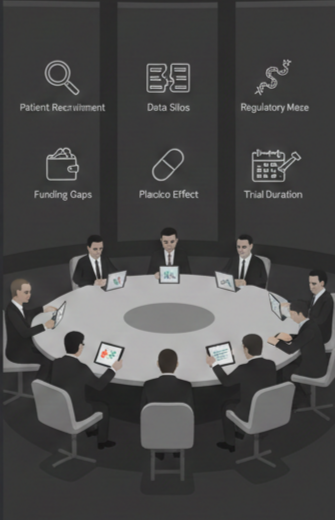
Precision Targeting in a Highly Regulated Industry
Pharmaceutical market segmentation has evolved into a strategic cornerstone of modern drug commercialization. In an industry defined by scientific complexity, strict regulation, and multistakeholder decision-making, segmentation determines how companies allocate resources, tailor messaging, and differentiate therapies. Leading pharmaceutical companies now rely on data analytics, behavioral modeling, and real-world evidence to refine segmentation and drive growth while maintaining regulatory compliance.
This article examines the strategic frameworks, regulatory constraints, technological drivers, and measurable outcomes shaping pharmaceutical market segmentation today.
Executive Overview
- Market segmentation allows pharmaceutical companies to identify and target distinct stakeholder groups with tailored communication and value propositions.
- Digital transformation and artificial intelligence have increased segmentation precision.
- Regulatory frameworks influence segmentation strategies and marketing claims.
- Evidence shows segmentation improves prescribing rates, engagement, and patient outcomes.
- Future segmentation strategies will integrate personalized medicine, predictive analytics, and value-based healthcare models.
1. The Strategic Importance of Market Segmentation in Pharma
Market segmentation divides a heterogeneous healthcare market into smaller, manageable segments based on shared characteristics, needs, or behaviors. The approach enables companies to design targeted marketing and commercialization strategies that improve engagement and resource efficiency.
The widely adopted Segmenting-Targeting-Positioning (STP) framework defines this process:
- Segmentation: Identifying subgroups within a broader market.
- Targeting: Selecting segments that offer commercial and clinical value.
- Positioning: Crafting value propositions tailored to each segment.
Why Segmentation Matters in Pharmaceuticals
Unlike consumer markets, pharmaceutical decision-making involves:
- Physicians
- Patients
- Payers and insurers
- Regulatory authorities
- Healthcare institutions
This complexity requires precision targeting to ensure therapies reach the right stakeholders with appropriate messaging.
Industry analyses highlight that segmentation improves customer engagement, enhances resource allocation, and supports product development tailored to patient needs.
2. Market Forces Driving Segmentation Adoption
2.1 Industry Competition and Economic Pressures
The global pharmaceutical sector exceeds $1 trillion annually, and competition continues intensifying. Market leaders increasingly rely on segmentation to maintain differentiation and expand market share.
Companies also face rising commercialization costs and payer scrutiny. As a result, segmentation helps optimize marketing investment by focusing efforts on high-value segments.
2.2 Digital Transformation and Data Availability
Digital healthcare adoption has dramatically expanded segmentation capabilities:
- 80% of U.S. adults research health information online.
- Digital pharmaceutical advertising reached $12.1 billion in 2024, representing a 15% annual increase.
Data from electronic health records, prescription databases, and patient engagement platforms enables companies to build dynamic segmentation models that evolve continuously.
3. Core Segmentation Approaches in Pharmaceutical Marketing
Pharmaceutical companies employ multiple segmentation methods, often combining them to build detailed stakeholder profiles.
3.1 Demographic Segmentation
Demographic segmentation categorizes stakeholders based on characteristics such as:
- Age
- Gender
- Income
- Education
- Occupation
Demographic factors directly influence treatment needs and healthcare access. For example:
- Pediatric medications require different formulations and communication strategies compared to geriatric therapies.
- Socioeconomic factors influence medication affordability and adherence patterns.
3.2 Geographic Segmentation
Geographic segmentation addresses regional healthcare differences, including:
- Disease prevalence
- Healthcare infrastructure
- Regulatory policies
- Cultural treatment preferences
Geographic variations significantly impact pharmaceutical commercialization strategies. Regulatory frameworks and pricing policies vary widely across countries, requiring region-specific marketing and reimbursement strategies.
3.3 Psychographic Segmentation
Psychographic segmentation evaluates:
- Lifestyle factors
- Attitudes toward health
- Risk tolerance
- Health literacy
Patients with similar demographic profiles may respond differently to treatment messaging based on lifestyle and beliefs. For instance:
- Wellness-focused populations respond strongly to preventive therapies and lifestyle-support programs.
- Risk-averse patients prioritize safety data and long-term outcomes.
3.4 Behavioral Segmentation
Behavioral segmentation focuses on treatment-related actions such as:
- Medication adherence
- Prescribing patterns
- Healthcare utilization frequency
- Channel preferences
Behavioral data provides some of the most actionable segmentation insights. For example:
- Early-adopter physicians often drive uptake of innovative therapies.
- Engagement metrics such as webinar participation and digital content interactions predict prescribing likelihood.
3.5 Disease and Therapeutic Area Segmentation
Therapeutic segmentation groups markets based on clinical conditions or disease areas.
Examples include:
- Oncology
- Cardiovascular diseases
- Diabetes management
- Dermatology
Companies often specialize in specific therapeutic areas to establish scientific credibility and market leadership.
4. Healthcare Professional (HCP) Segmentation
Healthcare professionals represent the primary prescribing decision-makers, making HCP segmentation a central pharmaceutical marketing strategy.
Key HCP Segmentation Variables
- Specialty and subspecialty
- Prescribing volume
- Adoption of innovation
- Practice setting
- Preferred communication channels
Studies show segmentation-driven HCP engagement improves prescribing behavior. In one case, educational campaigns tailored to prescribing patterns increased immunotherapy prescriptions by 25%.
Age also influences content preferences. Younger physicians favor concise digital content and podcasts, while older physicians prioritize key opinion leader presentations and in-person interactions.
5. Patient Segmentation and Patient-Centric Marketing
Pharmaceutical marketing increasingly targets patients directly through education and support programs.
Key Patient Segmentation Factors
- Disease severity
- Treatment adherence
- Emotional and psychological needs
- Digital literacy
- Financial constraints
Patient support programs now incorporate behavioral science and digital tools such as:
- Medication reminders
- Telehealth integration
- Nurse educator programs
- Lifestyle coaching
These initiatives improve adherence, outcomes, and brand loyalty.
6. Payer and Market Access Segmentation
Payers and insurers influence drug adoption through reimbursement decisions.
Pharmaceutical companies tailor payer messaging using:
- Pharmacoeconomic models
- Real-world evidence
- Quality-adjusted life year (QALY) data
- Budget impact analyses
Customized payer value messaging improves formulary placement and reimbursement success.
7. Technology-Driven Segmentation: AI, Big Data, and Predictive Analytics
Advanced technologies have transformed pharmaceutical segmentation from static demographic grouping into dynamic behavioral modeling.
7.1 Data Integration and Analytics
Pharmaceutical companies integrate data from:
- Sales records
- CRM platforms
- Clinical datasets
- Prescription refill databases
- Digital engagement metrics
Segmentation algorithms such as clustering and classification models identify hidden patterns and predictive insights.
7.2 Artificial Intelligence and Personalization
AI enables hyper-targeted marketing strategies by forecasting prescribing patterns and patient engagement likelihood.
Approximately 40% of pharmaceutical marketers use AI-driven audience segmentation, with measurable increases in campaign engagement.
7.3 Omnichannel Segmentation Strategies
Modern pharmaceutical marketing integrates multiple communication channels including:
- Medical representatives
- Webinars and digital education platforms
- Social media
- Email campaigns
- Electronic health record messaging
Omnichannel engagement improves brand recall and stakeholder satisfaction.
8. Regulatory and Ethical Considerations
Pharmaceutical segmentation operates within strict regulatory frameworks designed to ensure ethical promotion and patient safety.
8.1 Promotional Compliance Requirements
Marketing communications must:
- Align with approved drug indications
- Provide balanced risk-benefit information
- Avoid misleading claims
These standards apply across global regulatory authorities.
8.2 Ethical Marketing Codes
Several global marketing codes regulate segmentation-driven promotional strategies:
- U.S. PhRMA Code
- European EFPIA Code
- India’s Uniform Code of Pharmaceutical Marketing Practices (UCPMP)
The UCPMP mandates transparency, prohibits inducements to healthcare professionals, and enforces evidence-based promotional communication.
8.3 Direct-to-Consumer Advertising Restrictions
Direct-to-consumer pharmaceutical advertising remains legal only in the United States and New Zealand, with strict requirements for balanced safety disclosure.
9. Strategic Benefits of Pharmaceutical Market Segmentation
Improved Marketing ROI
Segmentation enables companies to allocate resources efficiently, targeting stakeholders with the highest engagement and prescribing potential.
Enhanced Customer Engagement
Personalized messaging strengthens relationships and improves brand loyalty.
Better Product Development
Segmentation insights guide R&D investments toward unmet clinical needs.
Competitive Differentiation
Companies can develop distinct positioning strategies tailored to different stakeholder segments.
10. Case Studies Demonstrating Segmentation Success
10.1 Digital Micro-Targeting Campaigns
Pharmaceutical companies using behavioral segmentation for digital advertising have reported engagement increases exceeding 20%.
10.2 Personalized Vaccine Marketing
AI-driven segmentation enabled targeted advertising campaigns for respiratory vaccines, increasing audience engagement by approximately 30%.
10.3 Community-Based Healthcare Campaigns
Localized segmentation strategies involving partnerships with community organizations improved healthcare access and treatment adoption among underserved populations.
11. Challenges and Limitations
Despite its benefits, pharmaceutical segmentation presents several operational and ethical challenges.
11.1 Data Privacy and Consent
Strict data protection regulations require transparent data collection and consent processes. Noncompliance risks legal penalties and reputational damage.
11.2 Segmentation Bias and Equity Concerns
Over-segmentation may create disparities in healthcare access or promotional exposure, raising ethical concerns.
11.3 Dynamic Healthcare Market Conditions
Disease trends, healthcare policy, and treatment innovations constantly reshape market segments, requiring continuous model updates.
12. Emerging Trends Shaping Future Segmentation
Personalized Medicine Integration
Advances in genomics and biomarker research will allow segmentation based on molecular disease characteristics.
Real-World Evidence Expansion
Post-market clinical data will increasingly guide segmentation strategies and value messaging.
Collaborative Industry Partnerships
Partnerships with technology companies and healthcare providers accelerate segmentation innovation and reduce drug development timelines by up to 30%.
13. Best Practices for Effective Pharmaceutical Segmentation
Successful segmentation programs share common characteristics:
- Comprehensive data integration across marketing and clinical platforms
- Continuous model refinement using real-world insights
- Cross-functional collaboration between commercial, medical, and regulatory teams
- Ethical marketing governance structures
- Multichannel stakeholder engagement
Conclusion
Pharmaceutical market segmentation has transformed from a marketing tactic into a strategic imperative. Data analytics, artificial intelligence, and digital health technologies have expanded segmentation capabilities while increasing accountability and regulatory scrutiny.
Companies that execute segmentation effectively improve stakeholder engagement, optimize commercialization investments, and enhance patient outcomes. As healthcare shifts toward precision medicine and value-based care, segmentation will remain central to pharmaceutical innovation and market success.
References
- STP Framework: https://en.wikipedia.org/wiki/Segmenting-targeting-positioning
- Pharma segmentation overview: https://thepharma.net/about/index/market-segmentation
- Digital pharma marketing statistics: https://uspharmamarketing.com/the-state-of-pharma-marketing-in-the-u-s-2025-outlook/
- Behavioral HCP segmentation insights: https://viseven.com/hcp-audience-segmentation-omnichannel-pharma-strategy/
- Ethical marketing code UCPMP: https://en.wikipedia.org/wiki/Uniform_Code_of_Pharmaceutical_Marketing_Practices_2024
- External reference pricing: https://en.wikipedia.org/wiki/External_reference_pricing
- Patient-centric marketing programs: https://www.pharmanow.live/marketing/pharma-marketing-strategies
- Data-driven segmentation methods: https://datacalculus.com/en/blog/pharmaceutical-manufacturing/pharmaceutical-market-research-analyst/customer-segmentation-in-pharmaceutical-manufacturing-a-guide-for-market-research-analysts
- Segmentation case examples: https://www.fastercapital.com/content/Pharmaceutical-marketing–Targeting-the-Right-Audience–Market-Segmentation-in-Pharmaceutical-Marketing.html
- Direct-to-consumer advertising rules: https://en.wikipedia.org/wiki/Direct-to-consumer_advertising
