
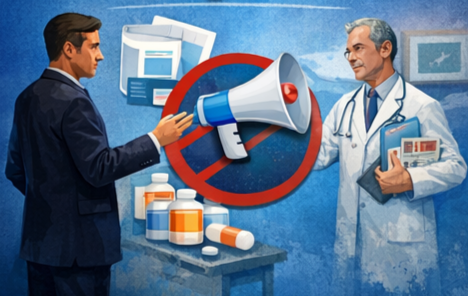
Pharmaceutical sales has undergone a fundamental transformation over the past two decades. Traditional primary-care drug promotion—once dominated by high-volume prescriptions for conditions such as hypertension, diabetes, and cholesterol—now shares the industry spotlight with specialty pharmaceuticals targeting complex diseases such as cancer, autoimmune disorders, and rare genetic conditions.
The shift reflects dramatic changes in drug innovation and healthcare economics. Specialty medicines now represent more than half of pharmaceutical spending in the United States, despite accounting for a small share of prescriptions.
This transformation has also reshaped the role of pharmaceutical sales representatives. Selling a primary-care drug requires broad physician engagement and volume-driven strategies. Specialty drug commercialization demands deep scientific knowledge, coordination with healthcare systems, and navigation of complex reimbursement processes.
For sales professionals, understanding the differences between these two models is critical. This article examines how specialty pharmaceutical sales differs from primary-care drug promotion across several dimensions, including market dynamics, customer relationships, regulatory constraints, and strategic sales approaches.
The Rise of Specialty Pharmaceuticals
The pharmaceutical industry increasingly focuses on therapies for complex diseases and rare conditions. These drugs often involve biologics, gene therapies, or targeted treatments that require specialized clinical oversight.
Recent market data highlights the scale of this transformation:
- Specialty medications accounted for approximately 52% of total pharmaceutical sales in the United States in 2023.
- These therapies represent only about 1.5% of prescriptions but generate more than half of total pharmacy spending.
- Spending on specialty drugs in Medicare Part D rose dramatically, reaching over 71% of total spending by 2021 despite a small share of prescriptions.
- Many specialty medications cost $50,000 to more than $150,000 annually per patient.
Several factors drive this growth:
- Advances in biotechnology and gene therapy
- Increased understanding of molecular disease mechanisms
- Regulatory incentives for orphan drugs
- Strong investment in targeted therapies
Specialty drugs often treat conditions such as:
- cancer
- autoimmune diseases
- multiple sclerosis
- HIV/AIDS
- rare genetic disorders
These therapies address unmet clinical needs but require a very different commercial strategy than traditional primary-care medications.
Defining Primary Care vs. Specialty Pharmaceuticals
Understanding the differences begins with the characteristics of each category.
Primary Care Pharmaceuticals
Primary-care drugs treat common chronic conditions affecting large populations.
Typical examples include:
- hypertension medications
- cholesterol-lowering drugs
- diabetes treatments
- antibiotics
- antidepressants
These products generally have:
- large patient populations
- high prescription volumes
- relatively lower per-patient costs
- widespread physician prescribers
Primary-care sales strategies therefore focus on volume and physician reach.
Specialty Pharmaceuticals
Specialty medicines target complex, chronic, or rare diseases that require specialized clinical management.
Common characteristics include:
- high cost per patient
- small patient populations
- specialized prescribing physicians
- complex administration requirements
- strict reimbursement controls
Many specialty drugs require:
- infusion or injection
- cold-chain storage
- patient monitoring programs
- prior authorization approval
These factors fundamentally change how sales teams engage healthcare providers.
Market Economics: Volume vs. Value
One of the most important differences between primary-care and specialty drug sales lies in the economics of each market.
Primary Care: Volume-Driven Revenue
Primary-care drugs generate revenue through high prescription volume.
For example:
- millions of patients take hypertension drugs
- physicians across many specialties prescribe them
- generics often dominate mature markets
Sales success therefore depends on:
- large physician networks
- frequent sales visits
- brand awareness
Sales representatives historically visited hundreds of physicians within a territory to promote primary-care medications.
Specialty Drugs: Value-Driven Revenue
Specialty pharmaceuticals generate revenue through high value per patient rather than prescription volume.
A single specialty prescription may generate more revenue than hundreds of primary-care prescriptions.
Several statistics illustrate the contrast:
- Specialty drugs may cost 10 to 100 times more than traditional medications.
- Average annual costs for specialty therapies often exceed $84,000 per patient.
- Some gene therapies cost millions of dollars per treatment.
Because each patient represents substantial revenue, specialty sales strategies emphasize patient identification and treatment access rather than high-volume physician visits.
Differences in Customer Targeting
The target audience for pharmaceutical sales differs significantly between primary-care and specialty products.
Primary Care Customer Base
Primary-care drugs involve a broad prescriber base.
Typical customers include:
- family physicians
- internal medicine doctors
- general practitioners
- nurse practitioners
- physician assistants
A single territory may contain thousands of potential prescribers.
Sales representatives often rely on frequent office visits and quick educational interactions.
Specialty Drug Customer Base
Specialty drugs involve a much narrower group of prescribers.
These typically include:
- oncologists
- neurologists
- rheumatologists
- infectious disease specialists
- transplant physicians
Because patient populations are smaller, specialty sales teams often focus on a limited number of high-value accounts, such as:
- major hospital systems
- academic medical centers
- specialty clinics
This shift requires a more consultative sales approach.
Relationship Dynamics with Healthcare Professionals
The nature of physician relationships differs dramatically between the two sales models.
Primary Care Relationships
Primary-care sales historically relied on frequent short interactions.
Typical characteristics include:
- quick office visits
- product samples
- brief clinical discussions
- brand reminder messaging
Because physicians manage large patient populations, they often have limited time for detailed discussions.
Sales interactions therefore prioritize:
- simple clinical messaging
- prescribing convenience
- brand recognition
Specialty Sales Relationships
Specialty pharmaceutical sales require deeper clinical engagement.
Physicians expect representatives to understand:
- clinical trial data
- disease mechanisms
- treatment guidelines
- patient selection criteria
Specialists often treat complex conditions where treatment decisions involve extensive evaluation.
As a result, sales conversations frequently include:
- detailed clinical data discussions
- patient case studies
- treatment pathway analysis
- reimbursement guidance
These interactions resemble scientific collaboration rather than traditional product promotion.
The Role of Key Opinion Leaders (KOLs)
Key Opinion Leaders play a larger role in specialty pharmaceutical markets.
Primary Care Influence
In primary care markets, prescribing patterns often depend on clinical guidelines and broad physician consensus.
While KOLs influence medical practice, individual primary-care physicians may rely more heavily on established treatment standards.
Specialty Market Influence
Specialty markets depend heavily on expert physicians who shape treatment protocols.
These experts:
- conduct clinical trials
- publish research
- speak at medical conferences
- advise regulatory agencies
Pharmaceutical companies frequently collaborate with these specialists to:
- provide scientific education
- develop clinical guidelines
- present research findings
KOL engagement therefore forms a central component of specialty drug commercialization.
Reimbursement Complexity
Access to specialty medications often depends on complex reimbursement processes.
Primary Care Reimbursement
Most primary-care drugs receive coverage through standard pharmacy benefits.
Patients typically obtain prescriptions at:
- retail pharmacies
- mail-order pharmacies
- hospital pharmacies
Generic competition also reduces reimbursement barriers.
Specialty Drug Reimbursement
Specialty drugs often require extensive payer approval.
Common reimbursement requirements include:
- prior authorization
- step therapy protocols
- specialty pharmacy distribution
- patient support programs
Insurance coverage decisions frequently involve pharmacy benefit managers (PBMs), payers, and hospital formularies.
Patients may face average out-of-pocket costs of around $450 per month for specialty medications, highlighting the financial barriers involved.
Sales representatives must therefore work closely with market access teams and reimbursement specialists.
Distribution and Supply Chain Differences
The distribution systems for specialty drugs differ significantly from traditional medications.
Primary Care Distribution
Primary-care medications typically flow through standard pharmaceutical distribution channels:
- wholesalers
- retail pharmacies
- hospital pharmacies
These drugs usually require standard storage conditions.
Specialty Drug Distribution
Specialty drugs often require specialized handling.
These products may involve:
- cold-chain storage
- limited distribution networks
- infusion centers
- specialty pharmacies
Approximately 70% of specialty medications require cold-chain management, reflecting their biological complexity.
Sales teams must coordinate closely with distributors and specialty pharmacies to ensure proper delivery.
Sales Team Structure
Pharmaceutical companies structure their sales forces differently depending on product type.
Primary Care Sales Teams
Primary-care sales teams traditionally include:
- large field sales forces
- territory-based representatives
- frequent physician visits
These teams focus on maximizing coverage across large geographic areas.
Specialty Sales Teams
Specialty sales teams are typically smaller but more specialized.
These teams often include:
- specialty sales representatives
- medical science liaisons (MSLs)
- market access specialists
- reimbursement experts
Because clinical discussions can be highly technical, companies rely more heavily on MSLs to support scientific engagement with physicians.
Regulatory and Compliance Considerations
Pharmaceutical promotion operates under strict regulatory oversight.
Promotional Regulations
Regulatory agencies require promotional claims to align with approved labeling and clinical evidence.
Sales representatives must avoid:
- off-label promotion
- exaggerated efficacy claims
- misleading comparisons
Compliance becomes especially critical in specialty markets where therapies involve high costs and complex treatment decisions.
Transparency Requirements
Many countries enforce transparency laws requiring pharmaceutical companies to disclose financial relationships with healthcare professionals.
These regulations aim to ensure that prescribing decisions remain independent and evidence-based.
Digital Transformation in Pharma Sales
Digital engagement increasingly shapes both primary-care and specialty pharmaceutical sales strategies.
Digital Tools in Primary Care
Primary-care marketing often relies on:
- digital detailing
- online physician education
- automated marketing campaigns
These strategies support large-scale physician outreach.
Digital Tools in Specialty Sales
Specialty drug sales use digital technology differently.
These tools often include:
- clinical data visualization platforms
- remote education sessions
- telehealth collaboration tools
- patient support program portals
Digital platforms help coordinate care across multiple stakeholders.
Strategic Skills for Specialty Pharmaceutical Sales
Selling specialty therapies requires a unique skill set.
Key competencies include:
- deep understanding of clinical science
- strong knowledge of disease biology
- ability to interpret clinical trial data
- familiarity with reimbursement systems
- experience working with healthcare systems
Sales representatives must also understand the broader patient journey, including diagnosis, treatment initiation, and long-term monitoring.
Challenges in Specialty Pharmaceutical Sales
Despite the growth of specialty drugs, sales teams face several challenges.
Access Barriers
High costs and insurance restrictions can delay treatment initiation.
Limited Patient Populations
Small patient populations reduce prescription volumes.
Complex Stakeholder Networks
Sales representatives must coordinate with:
- physicians
- pharmacists
- insurers
- specialty pharmacies
- hospital administrators
Scientific Complexity
Specialty therapies often involve complex mechanisms such as:
- monoclonal antibodies
- gene editing
- cell therapies
Sales professionals must explain these therapies clearly.
The Future of Pharmaceutical Sales
Industry analysts expect specialty medicines to dominate pharmaceutical innovation in the coming decades.
Several trends support this shift:
- increasing biologic drug approvals
- rapid growth in gene and cell therapy
- expansion of personalized medicine
- rising healthcare investment in rare diseases
At the same time, primary-care drugs will remain essential for treating widespread chronic conditions.
Pharmaceutical companies will therefore operate two parallel commercial models:
- High-volume primary-care promotion
- High-value specialty pharmaceutical engagement
Sales professionals who understand both models will remain highly valuable in the evolving pharmaceutical industry.
Conclusion
Selling specialty pharmaceuticals differs fundamentally from primary-care drug promotion. While primary-care sales emphasize physician reach and prescription volume, specialty drug commercialization focuses on scientific expertise, patient identification, and complex reimbursement pathways.
The rise of specialty medicines has reshaped pharmaceutical sales strategies, organizational structures, and professional skill requirements. Sales representatives must now engage with specialists, hospital systems, and payer organizations while navigating increasingly complex regulatory and reimbursement environments.
For pharmaceutical companies, success depends on balancing these two commercial models. Primary-care drugs continue to treat large patient populations, while specialty therapies deliver high clinical value for complex diseases.
Sales professionals who master evidence-based communication, stakeholder collaboration, and patient-centered access strategies will play a critical role in bringing innovative therapies to patients worldwide.
References
- Becker’s Hospital Review – Specialty Drugs Surpass 50% of Pharma Sales
https://www.beckershospitalreview.com/pharmacy/specialty-drugs-surpass-50-of-pharma-sales/ - Gitnux – Specialty Pharmacy Industry Statistics
https://gitnux.org/specialty-pharmacy-industry-statistics/ - PubMed – Concentration of Spending in Specialty Drugs
https://pubmed.ncbi.nlm.nih.gov/39612254/ - Wifitalents – Specialty Pharmacy Market Data
https://wifitalents.com/specialty-pharmacy-statistics/ - ZipDo – Specialty Pharmacy Industry Statistics
https://zipdo.co/specialty-pharmacy-statistics/ - NCBI Bookshelf – Competition in Prescription Drug Markets
https://www.ncbi.nlm.nih.gov/books/NBK603242 - Healthcare Packaging – Specialty Pharmaceutical Distribution
https://www.healthcarepackaging.com/logistics/supply-chain/article/22957732/specialty-pharmaceutical-distribution-expands-as-complexity-intensifies
