
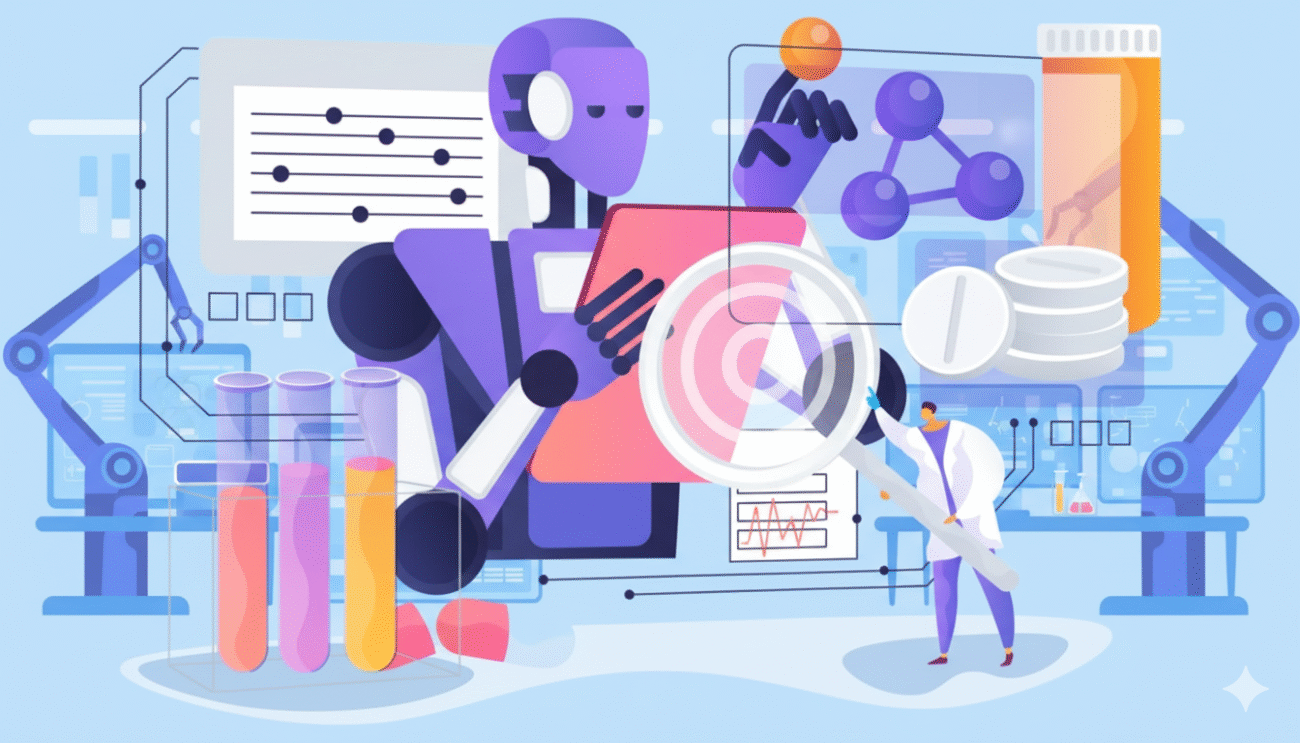
In recent years, artificial intelligence (AI) has moved from the realm of speculative fiction into a core driver of innovation in many industries. Nowhere is this more evident than in the pharmaceutical sector, where AI is revolutionizing the way drugs are discovered, developed, and brought to market. Immunai, a leading player in AI-powered drug discovery, is leveraging advanced machine learning models to uncover the complexities of human immunology and create more effective therapeutics. Their recent collaboration with pharmaceutical giants Pfizer and Novo Nordisk represents a significant milestone in the integration of AI in drug development.
The pharmaceutical industry is notoriously complex, requiring years of research, testing, and validation before a drug reaches the market. Immunai’s AI-driven approach has the potential to dramatically accelerate this timeline, cut costs, and improve the precision of drug discovery. This partnership is a glimpse into the future of the pharmaceutical industry—one where AI, data, and computational models are integral to identifying new drug candidates, optimizing clinical trials, and providing personalized treatment options. But how does AI impact drug discovery, and what does it mean for the future of medicine?
The Intersection of AI and Drug Discovery
The traditional drug discovery process is a lengthy and expensive endeavor, with success rates that leave much to be desired. According to industry estimates, it costs around $2.6 billion to bring a new drug to market, and only 1 in 10 drugs make it through the clinical trial process. With these odds, pharmaceutical companies are turning to AI to increase efficiency and improve outcomes. AI can analyze massive datasets to identify hidden patterns, predict drug efficacy, and even suggest new compounds that could be developed into life-saving medications.
In the context of Immunai, the company’s AI platform is powered by a deep understanding of human immune systems, allowing it to uncover previously unrecognized mechanisms of disease. Immunai’s approach involves mapping the immune system using single-cell RNA sequencing data, which provides insights into how the immune system functions on a cellular level. By analyzing this data, Immunai can identify biomarkers associated with diseases, pinpoint therapeutic targets, and design drugs that could be far more effective than those developed through traditional methods.
This is where Immunai’s collaboration with Pfizer and Novo Nordisk comes into play. Both companies are leaders in their respective therapeutic areas, with Pfizer focusing on oncology and vaccines and Novo Nordisk specializing in diabetes and obesity treatments. Through their partnership with Immunai, these pharmaceutical titans aim to enhance their existing drug pipelines and accelerate the development of new therapies by leveraging AI-powered insights.
Immunai’s AI Platform: A Closer Look
Immunai’s AI platform works by creating a comprehensive map of the immune system and using that map to uncover the molecular mechanisms of disease. This process is grounded in Immunai’s ability to gather and analyze massive datasets derived from a variety of sources, including patient samples, clinical data, and scientific literature. Immunai’s platform is designed to make sense of these complex datasets, identifying patterns and correlations that would be difficult, if not impossible, for human researchers to uncover manually.
One of the key components of Immunai’s platform is its use of machine learning algorithms to predict the response of immune cells to specific drugs. By understanding how the immune system reacts to different compounds, Immunai can help pharmaceutical companies identify which drugs are most likely to succeed in clinical trials. This reduces the risk of late-stage failures, which are one of the biggest challenges in the drug development process.
Immunai’s approach to drug discovery also emphasizes the importance of personalized medicine. By analyzing data from individual patients, Immunai can develop tailored therapies that are more likely to be effective for specific patient populations. This move towards precision medicine is a significant shift in the pharmaceutical industry, where one-size-fits-all treatments have historically been the norm.
The Pfizer and Novo Nordisk Partnerships
The partnership between Immunai and Pfizer is focused on leveraging AI to enhance the development of cancer immunotherapies. Cancer immunotherapy is an area of intense interest in the pharmaceutical world, as scientists look for ways to harness the body’s immune system to fight cancer. Pfizer’s existing portfolio includes a number of cancer therapies, and through its collaboration with Immunai, the company hopes to accelerate the development of next-generation immunotherapies.
The collaboration with Novo Nordisk, on the other hand, is focused on diabetes and obesity treatments. Novo Nordisk is known for its expertise in these areas, and by partnering with Immunai, the company is aiming to unlock new insights into the role of the immune system in metabolic diseases. Immunai’s ability to map immune responses in patients with diabetes and obesity could help Novo Nordisk develop more targeted therapies that address the root causes of these conditions, rather than just their symptoms.
Both partnerships underscore the growing importance of AI in drug discovery and the willingness of major pharmaceutical companies to embrace new technologies that can drive faster, more efficient research and development. These partnerships are not just about developing new drugs—they are about transforming the way drug discovery is done.
How AI is Changing the Drug Development Timeline
One of the most significant advantages of AI in drug discovery is its potential to shorten the timeline for developing new medications. Traditional drug development can take over a decade, but AI can streamline many aspects of the process. From identifying drug candidates to predicting their efficacy in clinical trials, AI can reduce the amount of time spent on each phase of development.
For example, in the early stages of drug discovery, researchers must screen thousands, if not millions, of potential compounds to identify those that show promise. AI can accelerate this process by using algorithms to predict which compounds are most likely to be effective. By analyzing vast datasets, AI can identify patterns that might go unnoticed by human researchers, allowing for faster screening and selection of drug candidates.
Once a drug candidate is identified, AI can help optimize its design by predicting how it will interact with the body. Machine learning algorithms can simulate drug interactions, predict side effects, and suggest modifications to improve efficacy. This means that drugs can be fine-tuned before they even enter clinical trials, reducing the likelihood of failure in later stages.
AI also plays a crucial role in clinical trials. By analyzing patient data, AI can help identify the ideal candidates for clinical trials, improving the likelihood of success. Additionally, AI can monitor patient responses in real time, providing valuable insights into how a drug is performing and allowing researchers to make adjustments as needed. This could potentially reduce the length of clinical trials and increase the chances of success.
Personalized Medicine: The Next Frontier
As AI continues to reshape drug discovery, one of the most exciting developments is the move towards personalized medicine. Personalized medicine involves tailoring treatments to individual patients based on their genetic makeup, lifestyle, and medical history. This approach holds the promise of significantly improving treatment outcomes by ensuring that patients receive therapies that are specifically designed for them.
AI plays a key role in personalized medicine by analyzing vast amounts of data to identify the most effective treatments for individual patients. By looking at genetic data, clinical records, and other factors, AI can predict which drugs are most likely to work for a specific patient. This level of precision is not possible with traditional drug discovery methods, which tend to focus on broad population averages rather than individual variations.
For example, in cancer treatment, AI can help identify the genetic mutations that drive a patient’s specific type of cancer, allowing for the development of targeted therapies that are more likely to be effective. In diabetes and obesity, AI can analyze immune system responses to different treatments, helping doctors choose the most appropriate therapy for each patient.
What’s Next for AI in Drug Discovery?
The partnership between Immunai, Pfizer, and Novo Nordisk is just the beginning of a larger trend in the pharmaceutical industry. As AI continues to evolve, its potential to transform drug discovery and development will only grow. In the near future, we can expect to see even more collaborations between AI startups and large pharmaceutical companies, as well as increased investment in AI-driven drug discovery platforms.
One of the biggest challenges facing AI in drug discovery is the need for high-quality data. AI algorithms are only as good as the data they are trained on, and there is still a shortage of comprehensive datasets in some areas of medicine. However, as more patient data becomes available and as AI platforms continue to improve, the possibilities for AI-driven drug discovery will expand.
Another challenge is regulatory approval. While AI has the potential to revolutionize drug development, it will take time for regulators to catch up with the new technology. The FDA and other regulatory agencies are still figuring out how to assess the safety and efficacy of AI-driven therapies, and it may take years before AI-based drugs receive widespread approval.
Despite these challenges, the future of AI in drug discovery looks bright. With the right investment, collaboration, and regulatory frameworks in place, AI has the potential to drastically improve the way drugs are developed, making treatments more effective, accessible, and personalized than ever before.
References
